
Russian through living culture
Literature salons, city labs, cooking workshops, and guided excursions — language beyond the classroom.
These are our excursion routes — including the landmark itinerary shaped with guide Vadim Ivanov for Yale Study Abroad. Smorodina’s path is fuller: we listen to what students hope to see, and show Georgia in layers — the history of each site and the living culture around it.
Masterclasses are included in the season price. The landmarks week is part of the flagship package, not an extra fee; in the atelier you can also take it on its own.
Solo travelers are welcome. The days include walking, travel, and tastings — you do not need to be athletic. If walking or standing for long stretches is difficult, tell us on the consultation call.
Who guides you in Georgia#
An excursion guide, a history and culture lecturer, a culinary masterclass host, and the film editor and videographer — they lead culture in the classroom, on the road, and at the table.
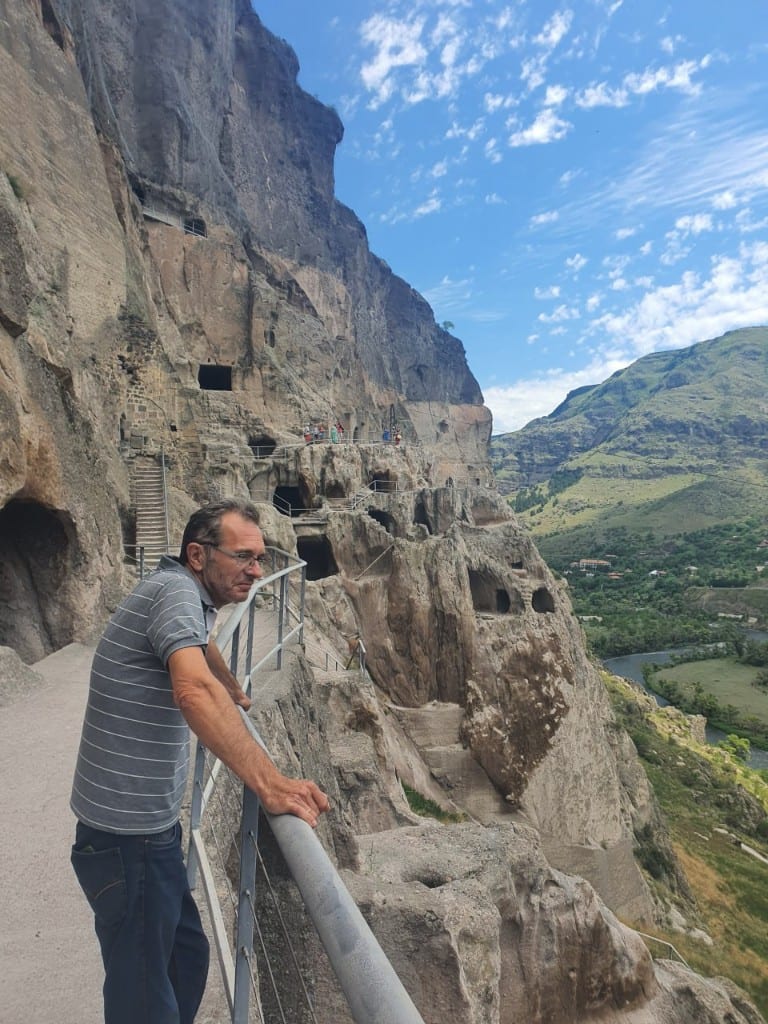
Vadim Ivanov
Lead guide for Smorodina’s excursions
He has led tours across Georgia since 2003. From 2023 to 2025 he worked with Yale Study Abroad in Georgia: designing routes where the country’s history unfolds in living places, not only in a textbook, and selecting guest houses he has partnered with for some twenty years. Smorodina students follow that same path — on the seasonal landmarks weeks below.
Photo 1 of 3
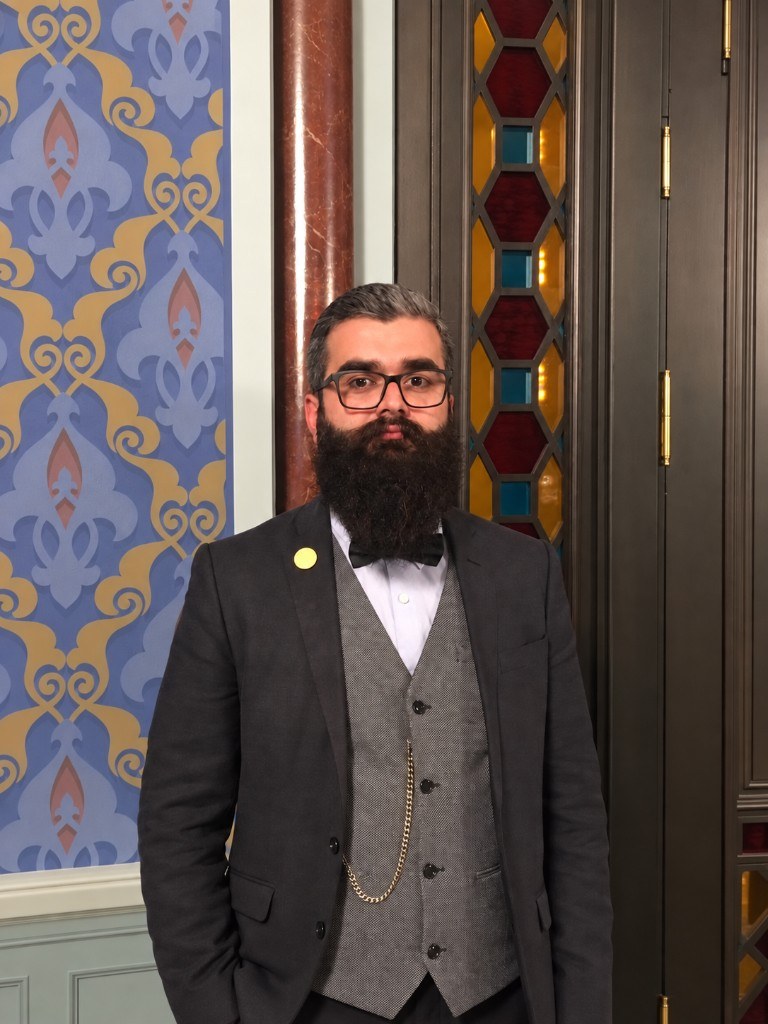
Viktor Gogashvili
History and culture lecturer at Smorodina
He holds a bachelor’s degree in history, a master’s in philology, and a PhD in Russian studies. He has taught at Ivane Javakhishvili Tbilisi State University since 2012. At Smorodina he leads the history and culture classes.
Photo 1 of 2
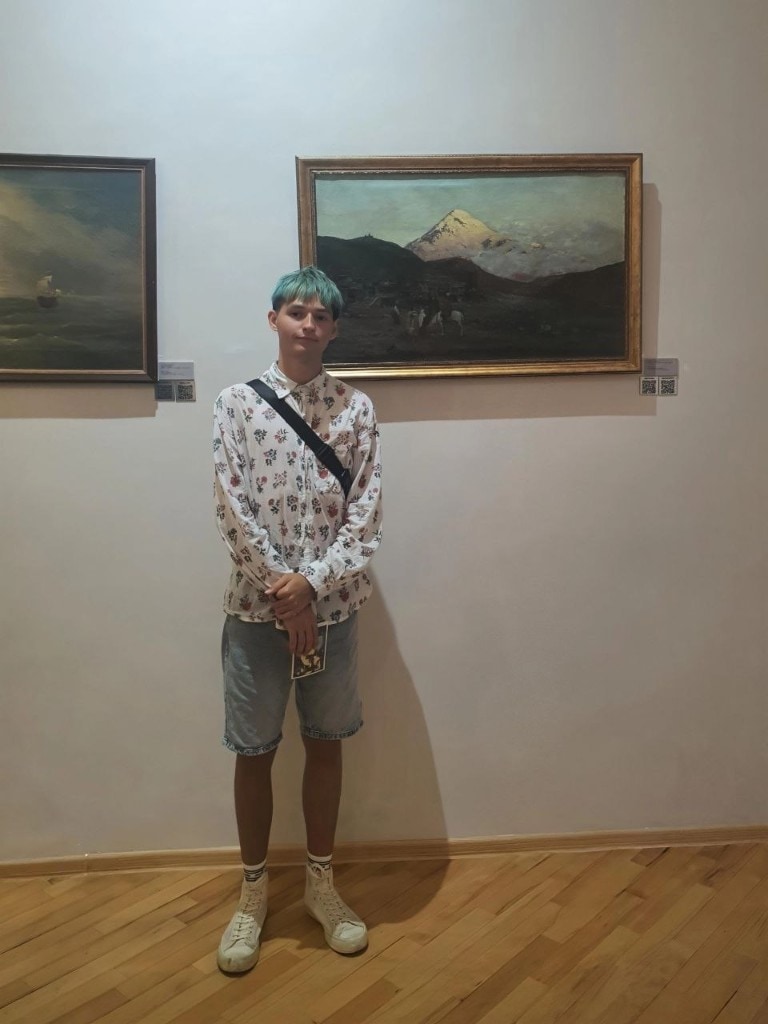
Maxim Lysogorsky
Lead culinary masterclass host at Smorodina
A professional chef with about six years in the kitchen; currently sous-chef at Sabziro in Tbilisi. In 2024 he was assistant to the local coordinator of Yale Study Abroad in Georgia and led masterclasses — Adjarian khachapuri and baking kubdari in Svaneti. He is now on the Smorodina team, bringing the same craft and energy to our students.
Photo 1 of 3
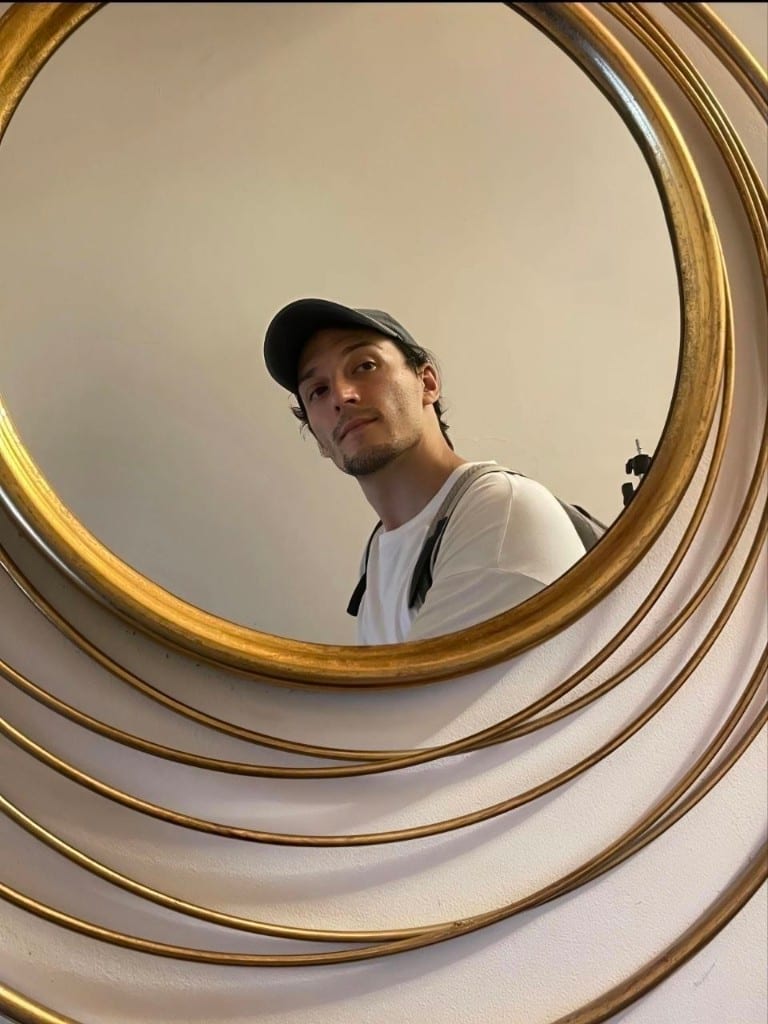
Alexander Gribov
Film editor and videographer for Smorodina
For about a year he has been seeking striking frames in corners of the world, so the atmosphere of a place still reaches a phone screen or a monitor. For Smorodina he is the videographer as well: he regularly films Poetry Evenings in Batumi and works on other projects in the city — commercial, and not only those. He looks for the story a sequence can tell, but does not push that search to an extreme: he breaks the rules on purpose, for a stronger impression and a deeper immersion.
Photo 1 of 3
Autumn and summer on the road#
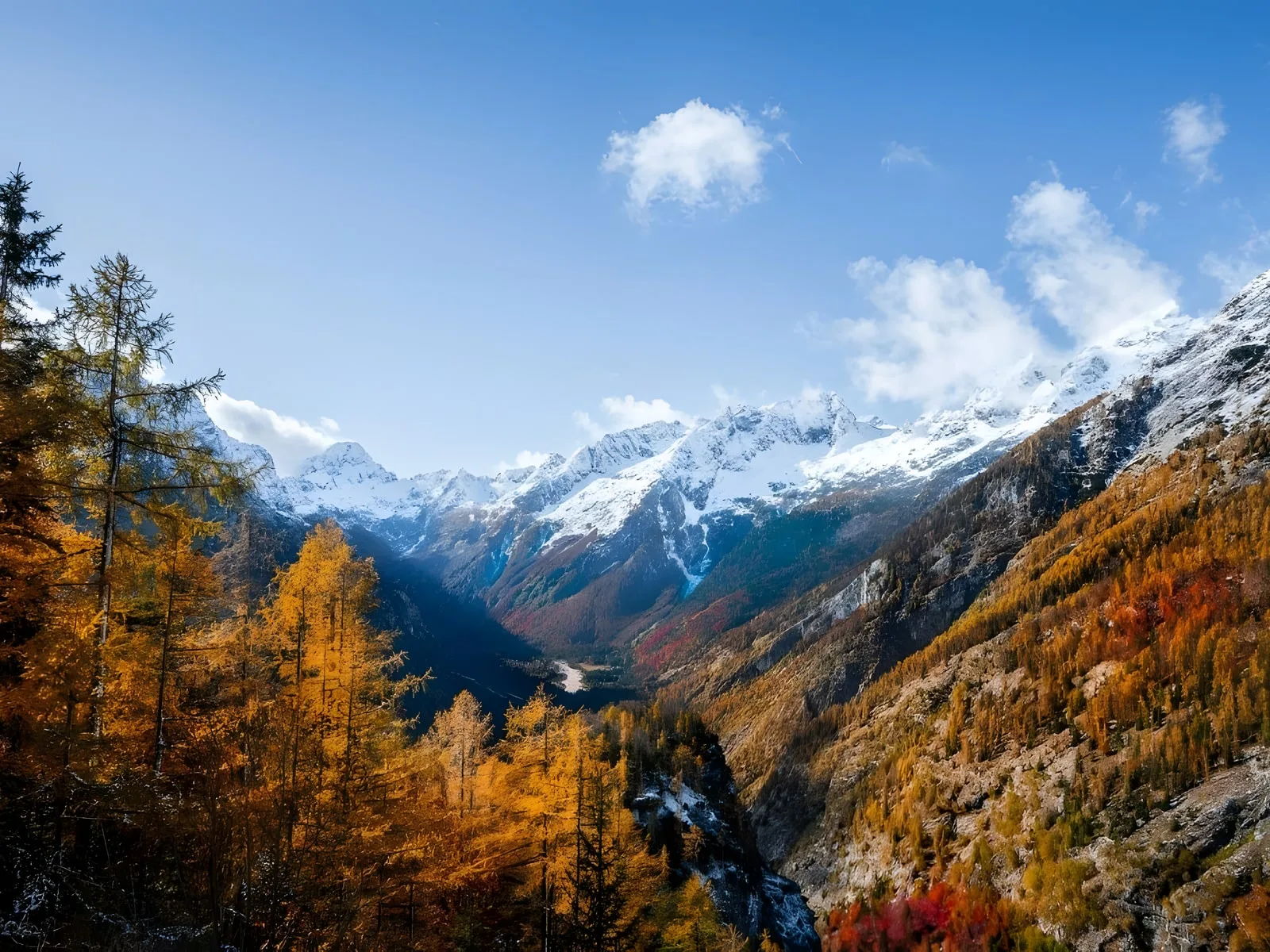
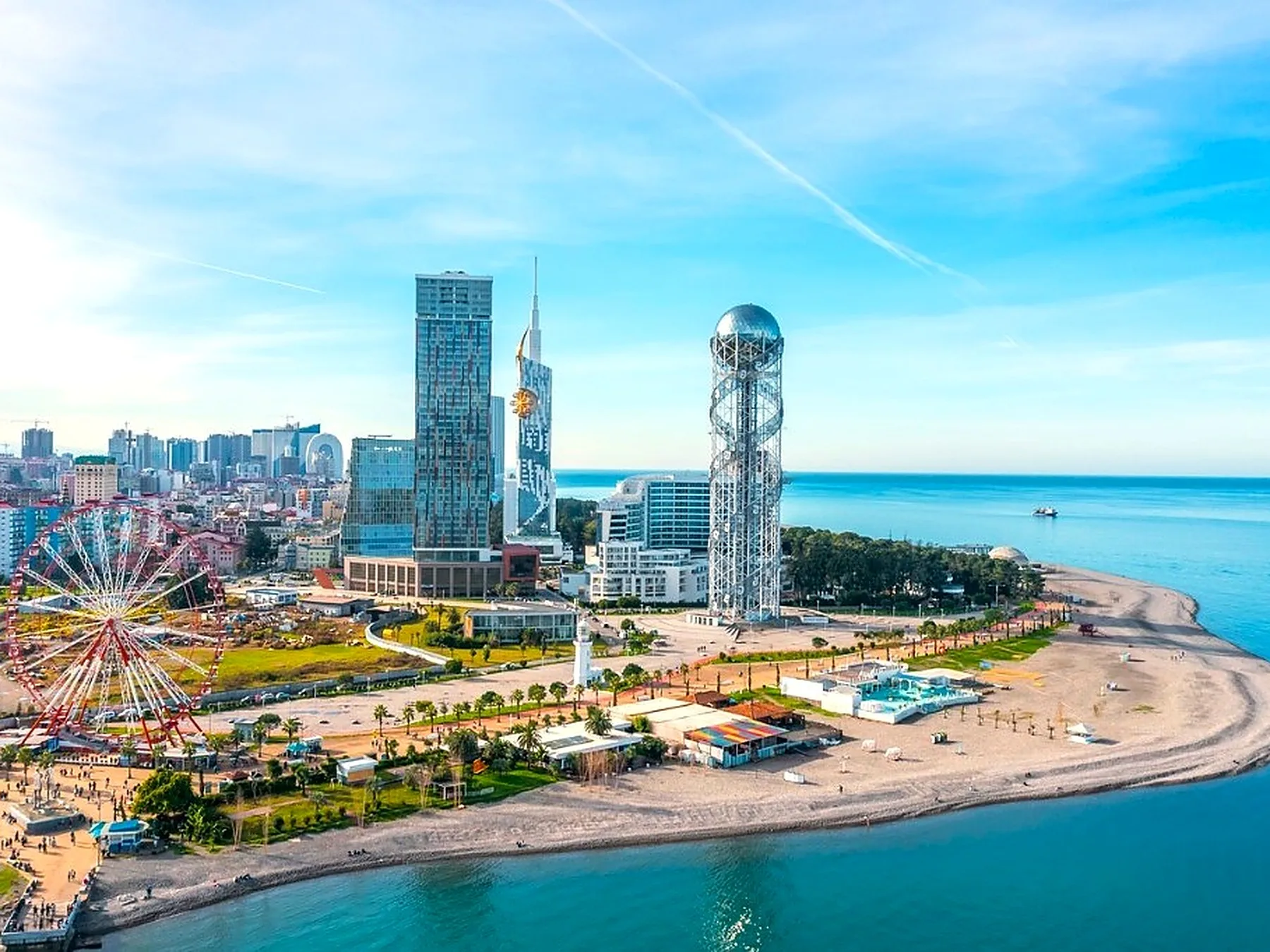
Two seasonal landmark weeks — choose a season below, then open the full day-by-day itinerary. Masterclasses and extra outings are included in the price; before each session we confirm their lineup and number.
Masterclasses & cultural life#
Cooking, dance, voice, script, poetry, museums, a tea plantation in Guria, abandoned sanatoriums in Tskaltubo, and the Black Sea — language through doing and listening.
The confirmed masterclasses and extra excursions are included in the program price. Before each session we confirm only their lineup and number. The cards below are the kinds of sessions the lineup is drawn from.
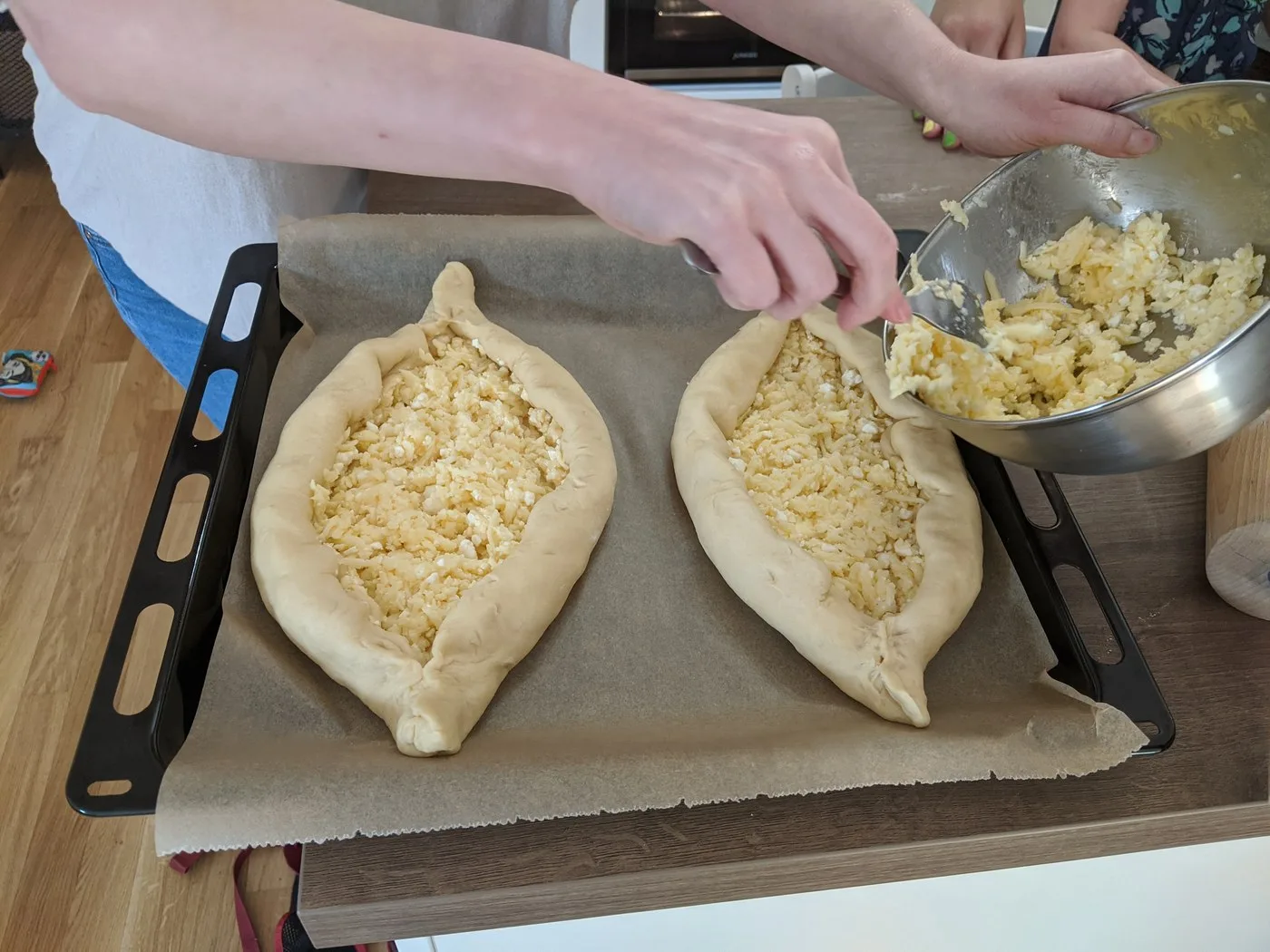
Adjarian khachapuri
Hands in the dough: boat-shaped Acharuli, cheese, egg, and the words of the kitchen.
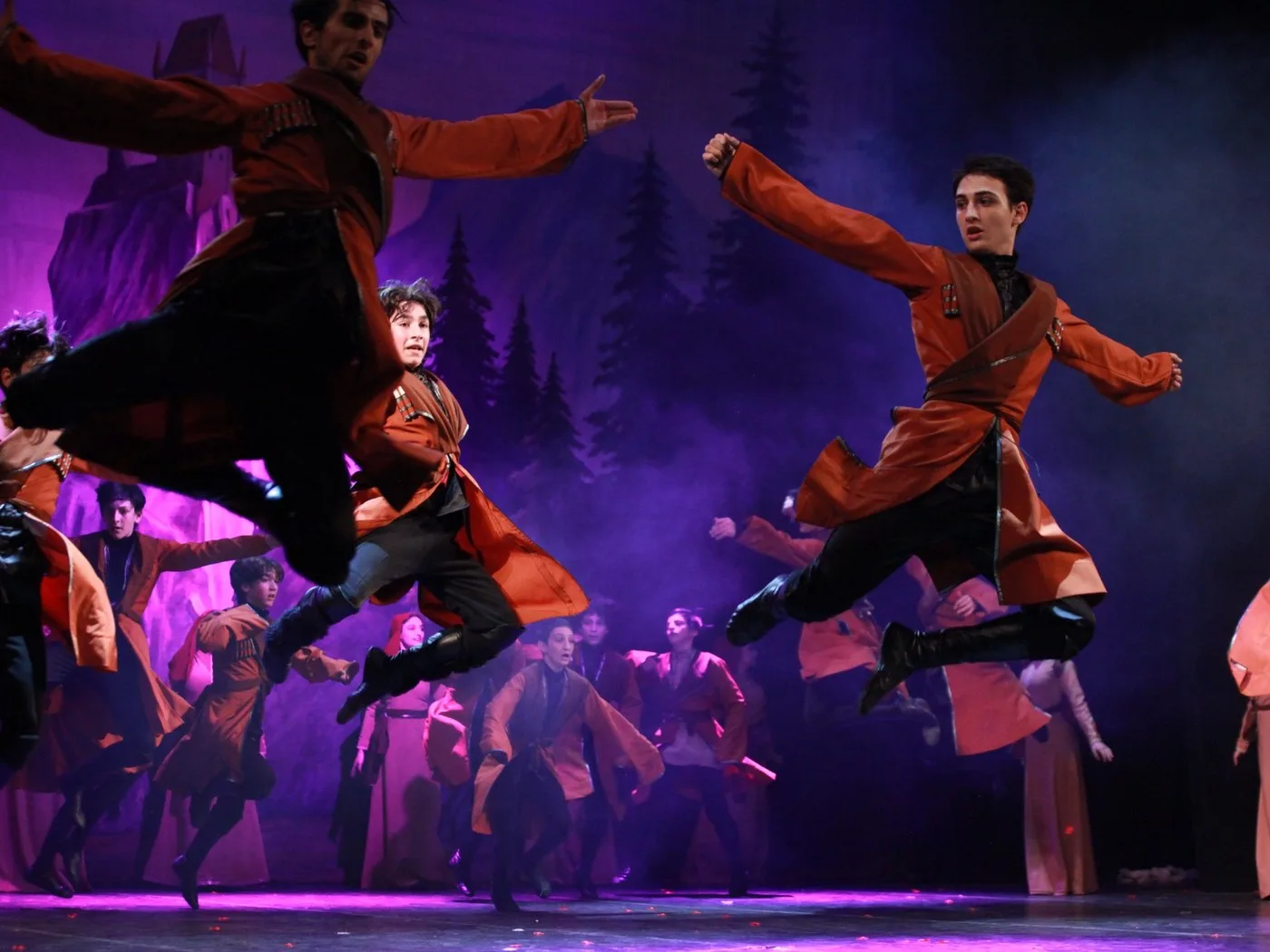
Georgian dance
A masterclass in posture, rhythm, and the shared vocabulary of Kartuli movement.

Georgian calligraphy
Mkhedruli on the page — form, hand, and the beauty of the Georgian letter.
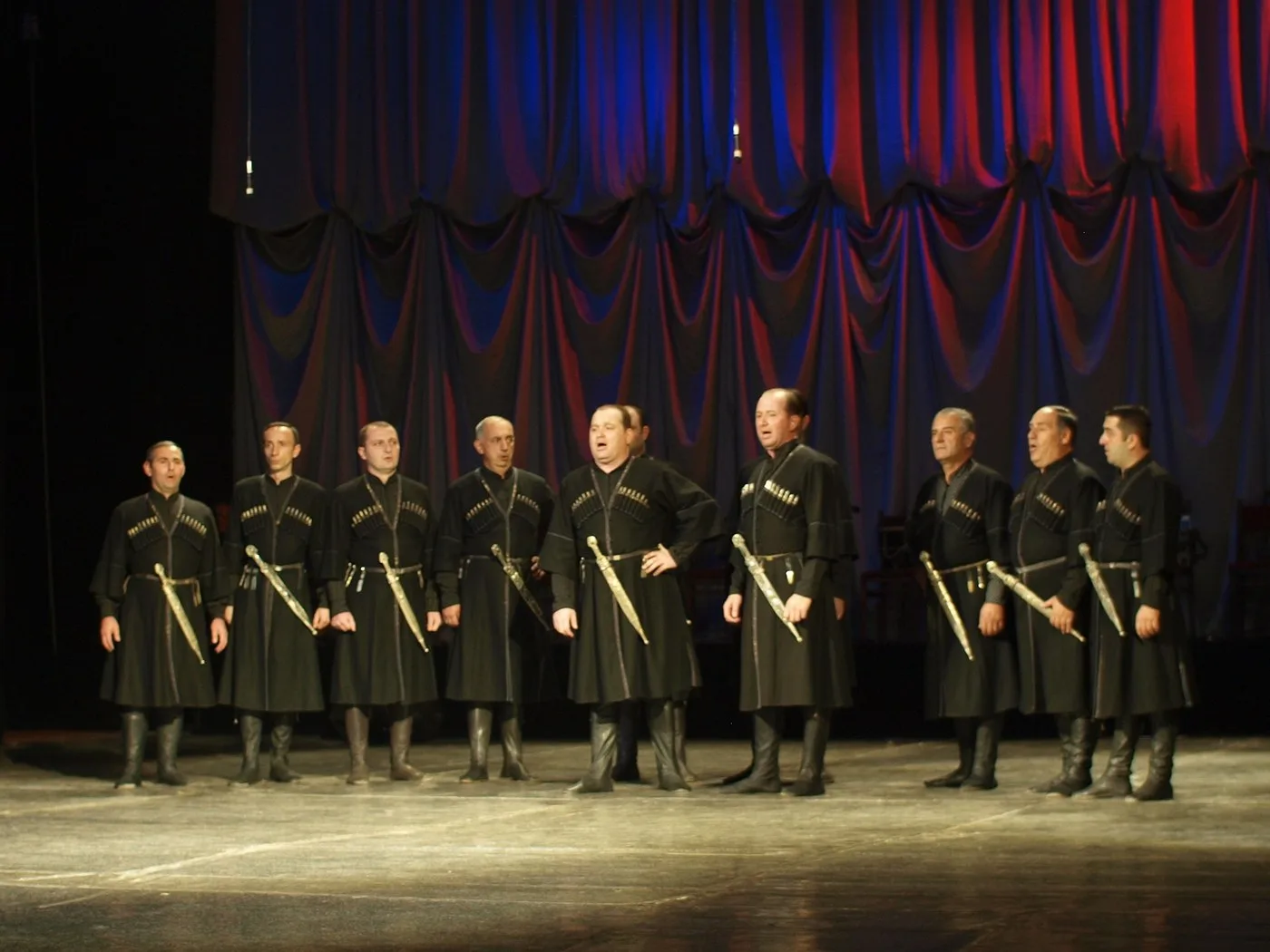
Vocal studio
Breath, phrase, and Georgian polyphony — singing as a way into the language’s music.
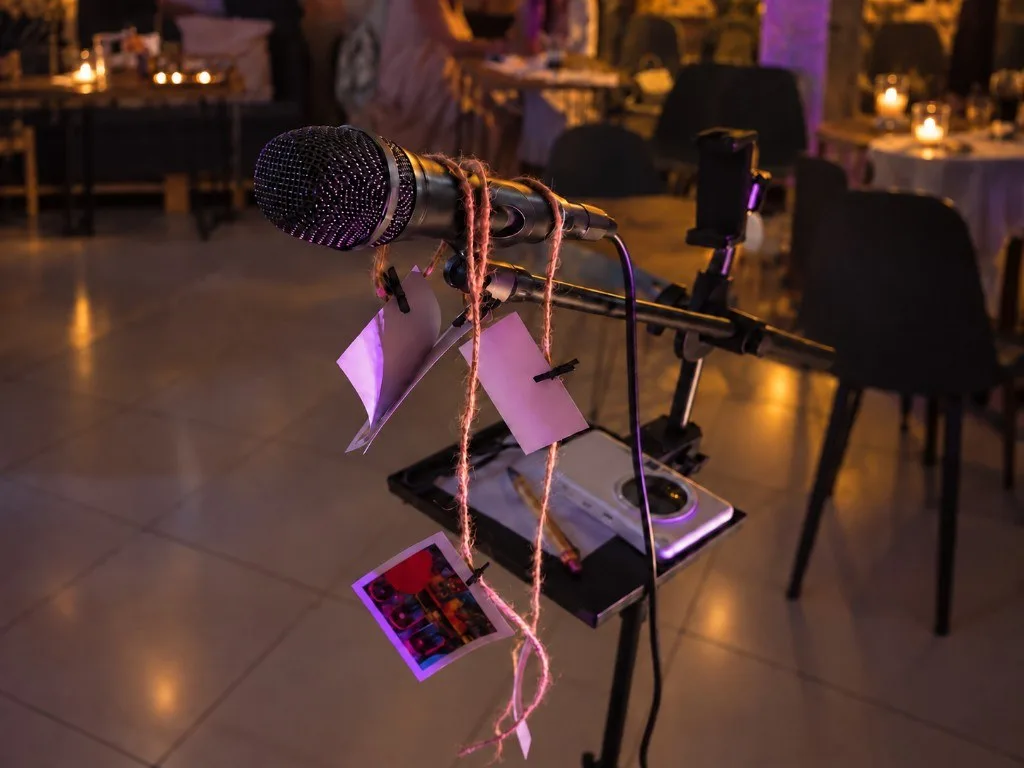
Poetry evenings in Russian
Salons of verse and voice — reading, listening, and talking about poems together.
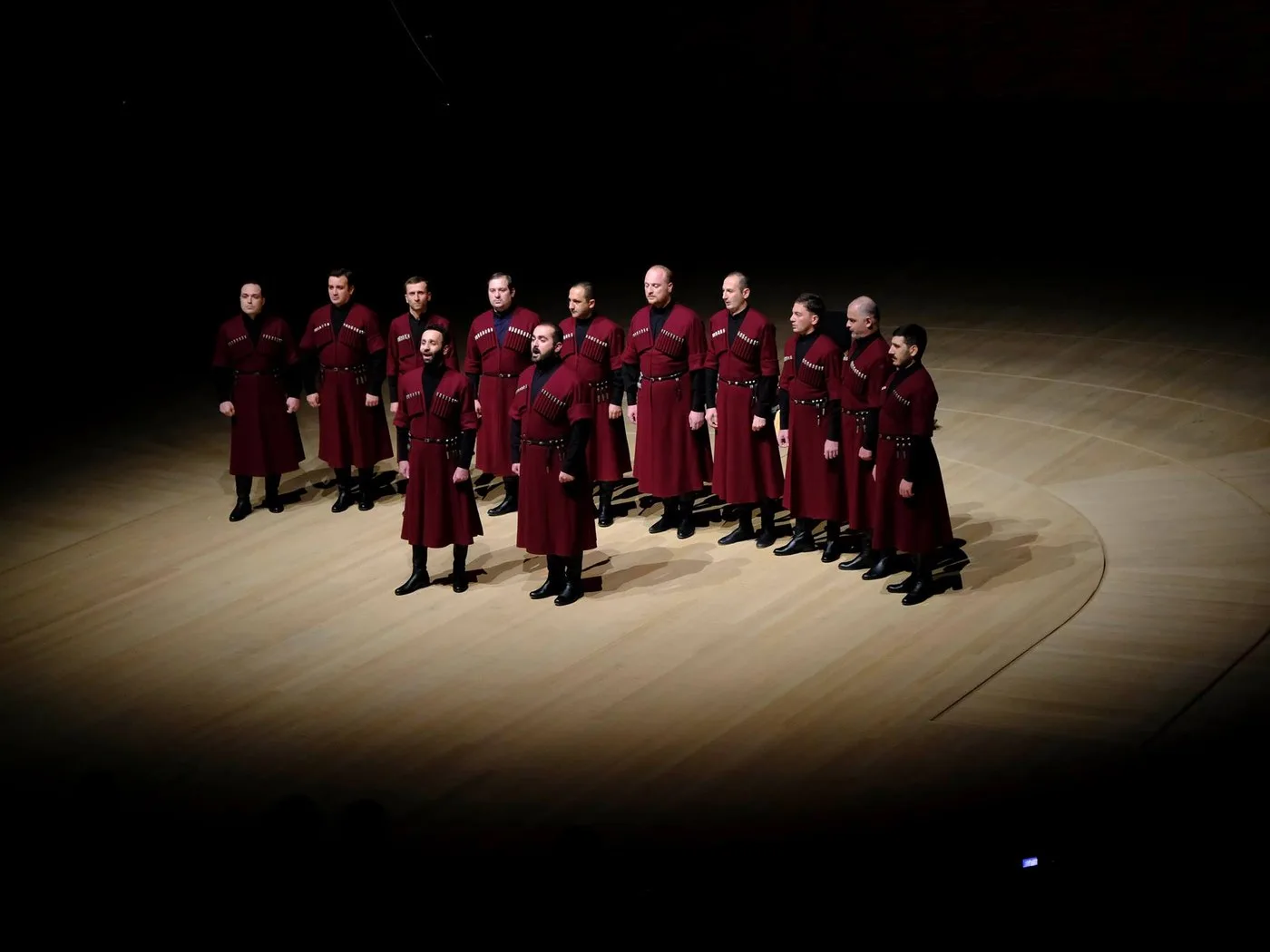
Concerts of local ensembles
Live Georgian song and dance — evenings with ensembles that carry the tradition on stage.
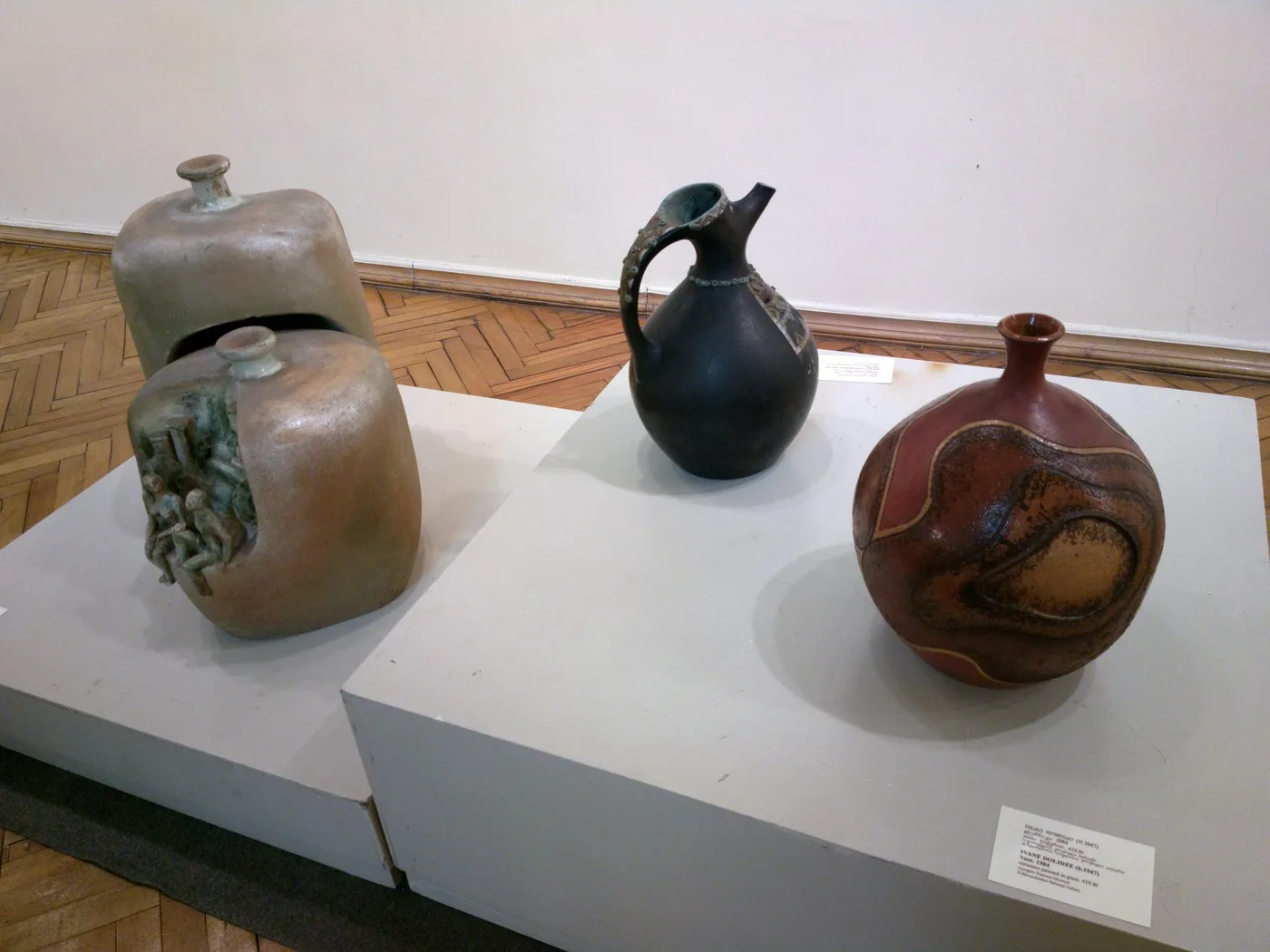
Museums in Batumi and the regions
Gallery walks and museum days — Batumi collections and stops along the tour route.
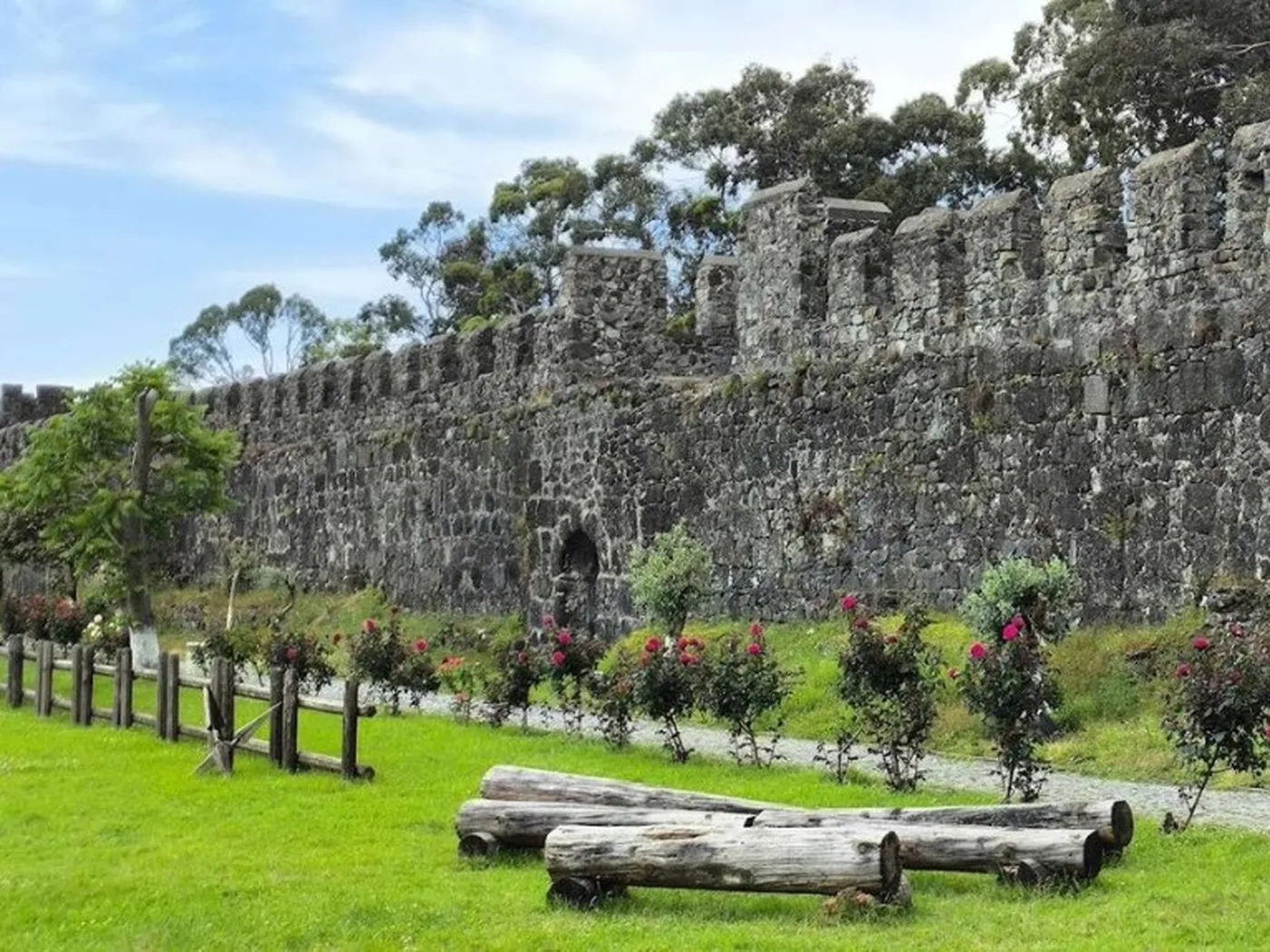
Gonio fortress & the beach
Roman walls at Apsaros, then pebbles and the Black Sea — history with salt air.
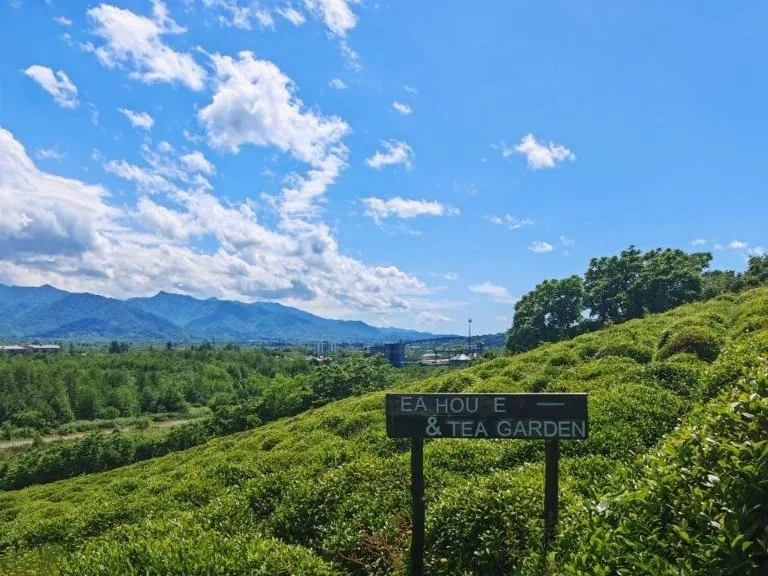
Tea plantation excursion in Guria
A day among tea bushes in Guria — the story of Georgian tea, the harvest, and tasting what grew on these hills.
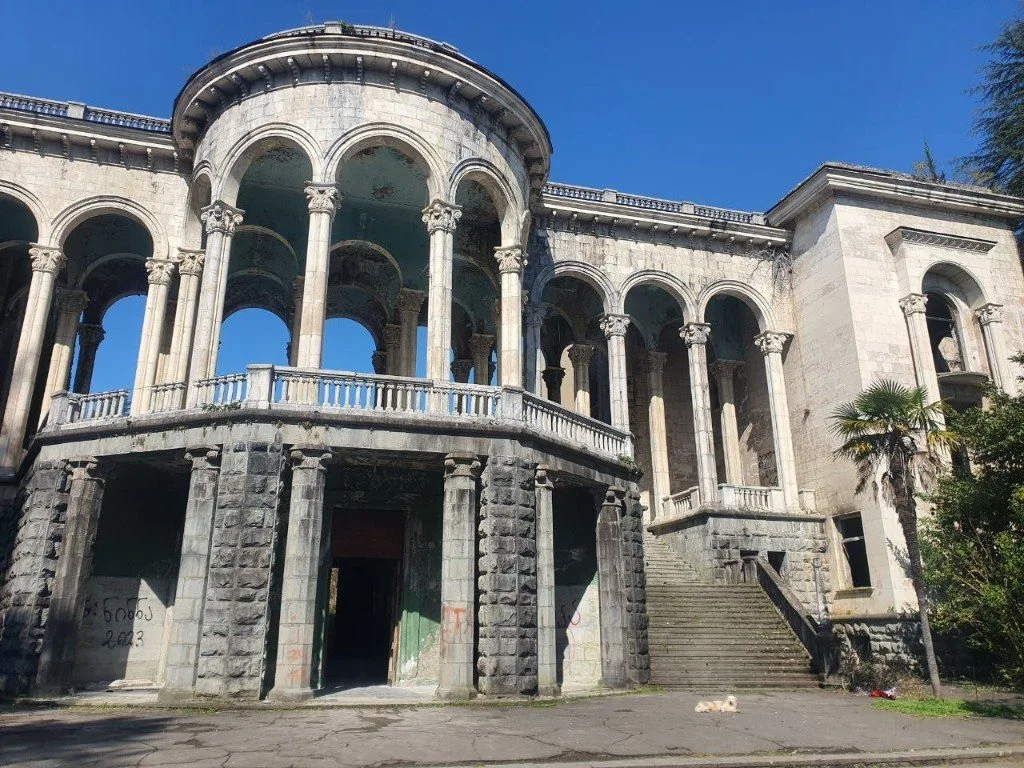
Abandoned sanatoriums in Tskaltubo
A walk through abandoned Soviet-era sanatoriums — corridors, colonnades, and the quiet of a place that time left behind.
Autumn Excursion Week#
Day by day below: first the opening night and weekend outings, then the five-day route. The excursion week is in the $3,940 package — not an extra charge. A videographer films the tour week.
How the three onsite weeks are arranged
24 October
Arrival in Batumi. In the first days — a Russian-language poetry night.
Two study weeks
Classes in Batumi. On the weekends of these weeks — Gonio, Tskaltubo, and a tea plantation in Guria.
Five days at the end
A tour of iconic places across the regions. 14 November — departure from Tbilisi.
Autumn 2026 includes these three parts: the opening night, weekend outings during the study weeks, and a five-day tour at the end. The confirmed masterclasses and extra excursions are included in the price too: before each session we confirm only their lineup and number.
$3,940
Full autumn track $3,940: the excursion week is included. A deposit by 17 October 2026 locks this first-launch price (−15%). The $60 registration fee is extra.
Discuss autumn 2026Session start — first days in Batumi
Opening · cultural immersion
Opening · Batumi
Russian Poetry Night in Batumi · Halloween
Begin your immersion not in a classroom, but among people. During the first days of the program, students join a real Russian-language poetry night in Batumi — this time dedicated to Halloween: costumes, atmosphere, contemporary poetry, live music, and the local Russian-speaking community. It is your first chance to hear Russian outside the classroom, meet people, and become part of local cultural life rather than simply observe it as a tourist.
Photo 1 of 5
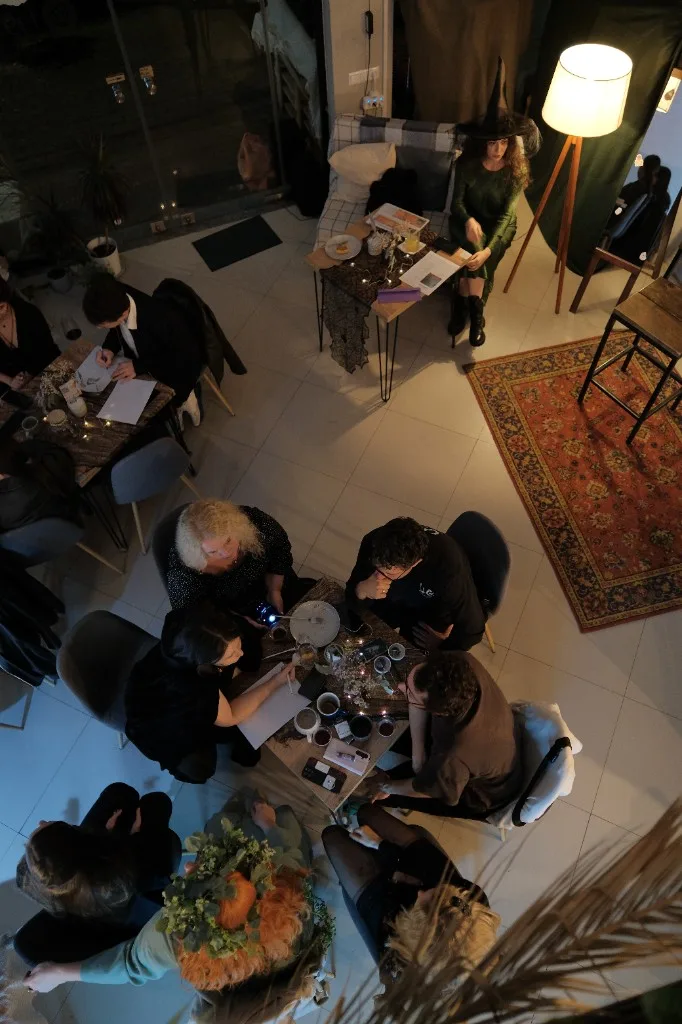
Photos: 2025 “Naviy Shlyakh” poetry evening
During the two weeks of residence in Batumi — weekend outings
Weekends · day trips
Weekend · Gonio
Gonio fortress & the beach
A weekend day trip from Batumi: Roman walls at Apsaros, then pebbles and the Black Sea — history with salt air. In good weather — a mini-picnic by the sea.
Weekend · Tskaltubo
Abandoned sanatoriums in Tskaltubo
A weekend outing during the residence weeks: a walk through abandoned Soviet-era sanatoriums — corridors, colonnades, and the quiet of a place that time left behind.
Weekend · Guria
Tea plantation excursion in Guria
A weekend day among tea bushes in Guria — the story of Georgian tea, the harvest, and tasting what grew on these hills — while you are living the two Batumi study weeks.
End of the onsite session — after two Batumi study weeks — a five-day journey through iconic places in Georgia
Tour day 1
Imereti: Nokalakevi, canyons, caves, Kutaisi
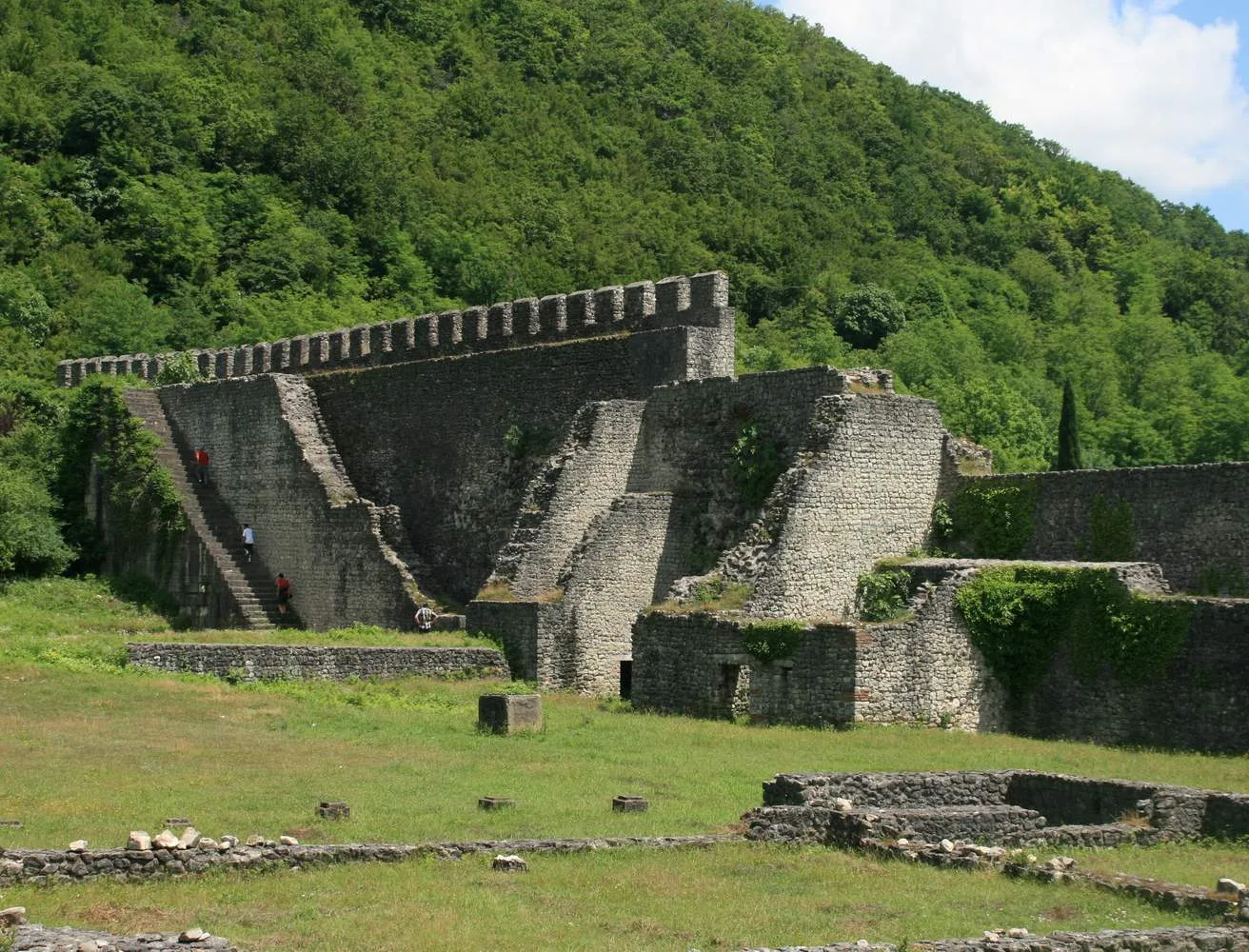
Nokalakevi fortress (Archaeopolis)
Ancient Lazica’s stronghold on the Tekhuri — Byzantine walls and a Colchian citadel that once guarded the road inland from the Black Sea. A living lesson in how Georgia’s west held empire, language, and memory long before Batumi.
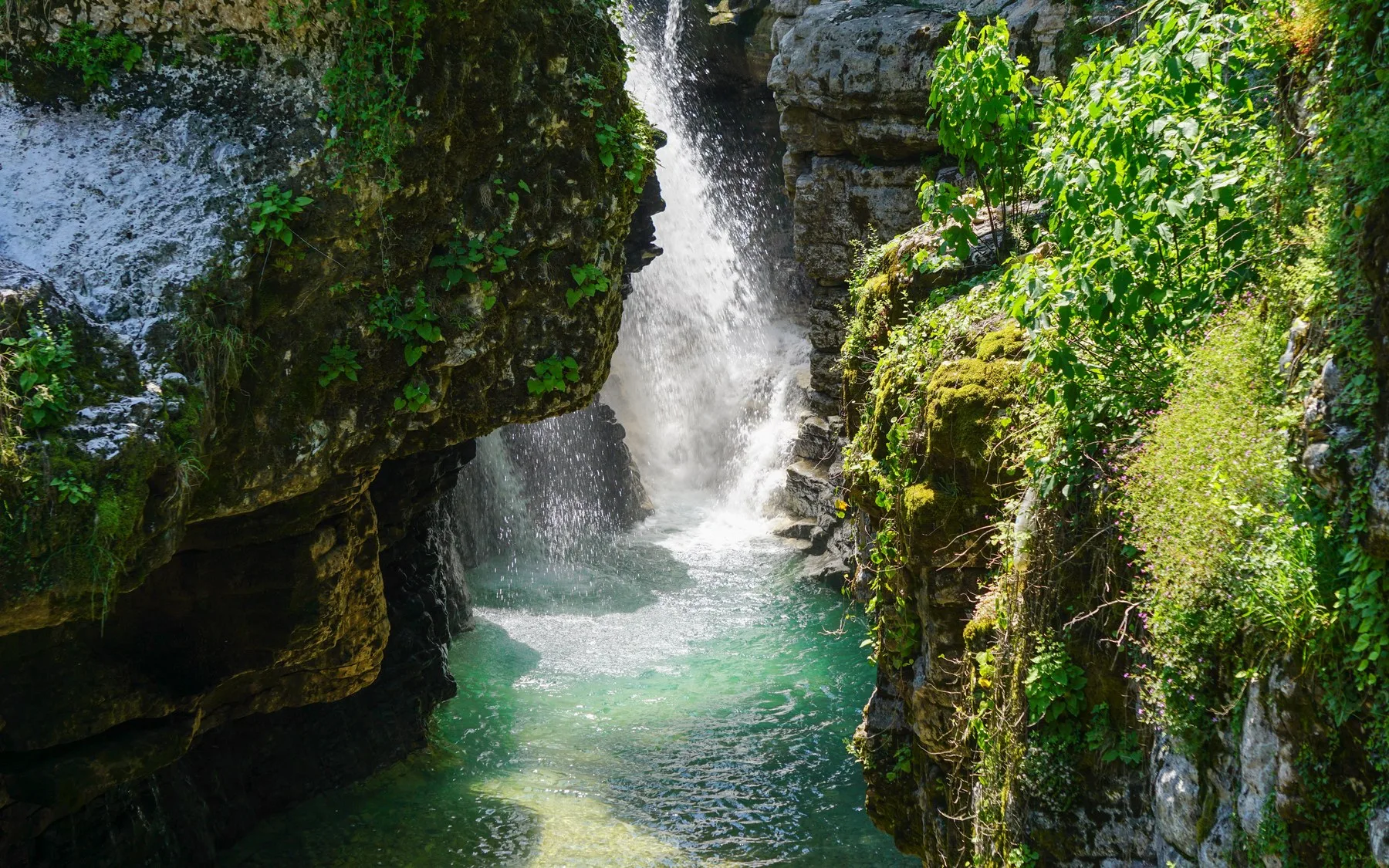
Martvili Canyon
Turquoise water between mossy limestone walls — Western Georgia’s nature as a first lesson in landscape vocabulary, and a place Russian travelers have long described as a “living painting.”
Prometheus Cave
Kumistavi’s underground halls of stalactites — geology as theatre, and a modern Georgian landmark that invites careful looking and shared words for light, stone, and myth.
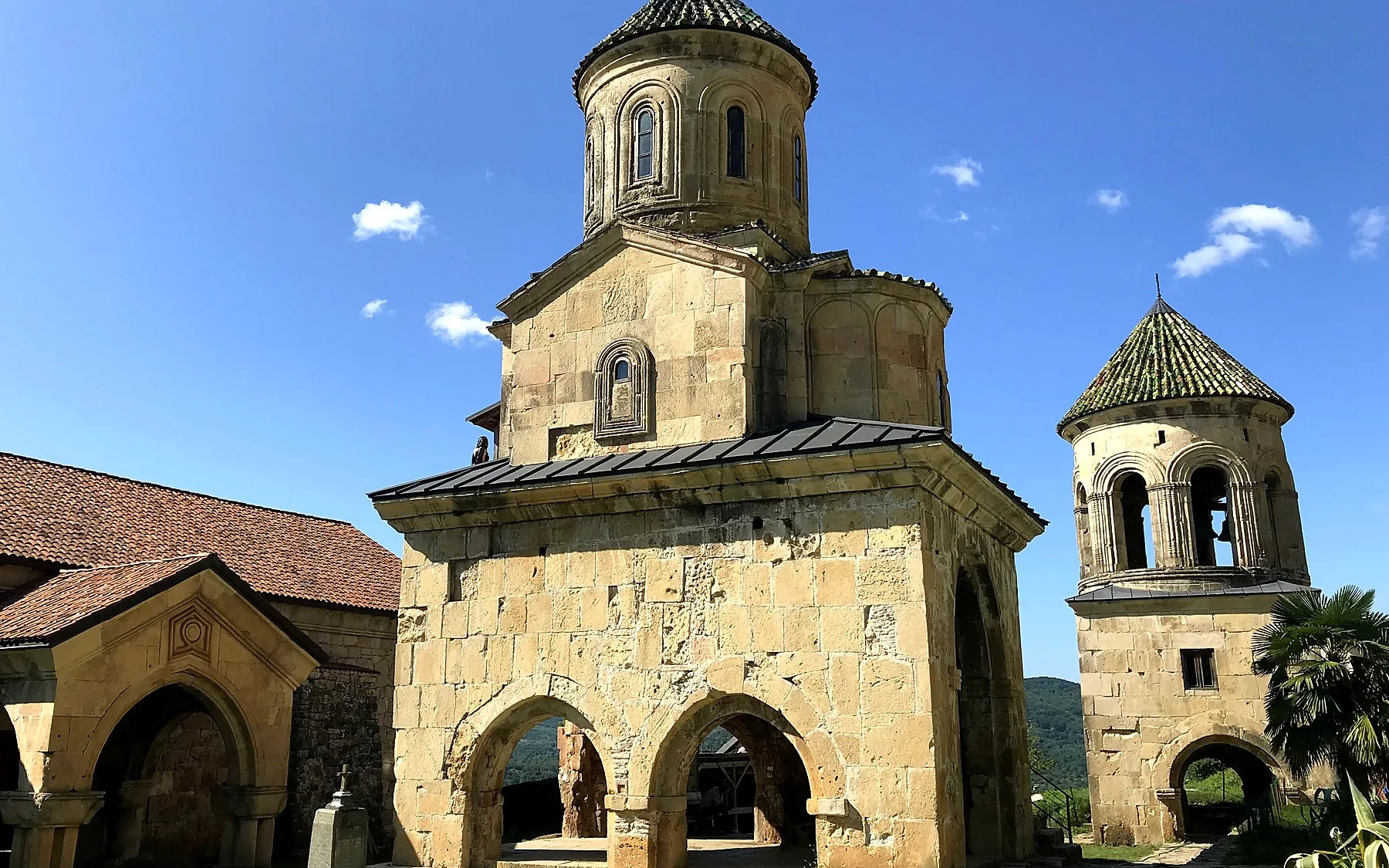
Kutaisi & Gelati Monastery
The old capital of Imereti and UNESCO Gelati — King David the Builder’s academy and cathedral, where Georgian medieval learning and Orthodoxy meet a story familiar to the Russian cultural world.
Tour day 2
From Kutaisi toward Samtskhe-Javakheti
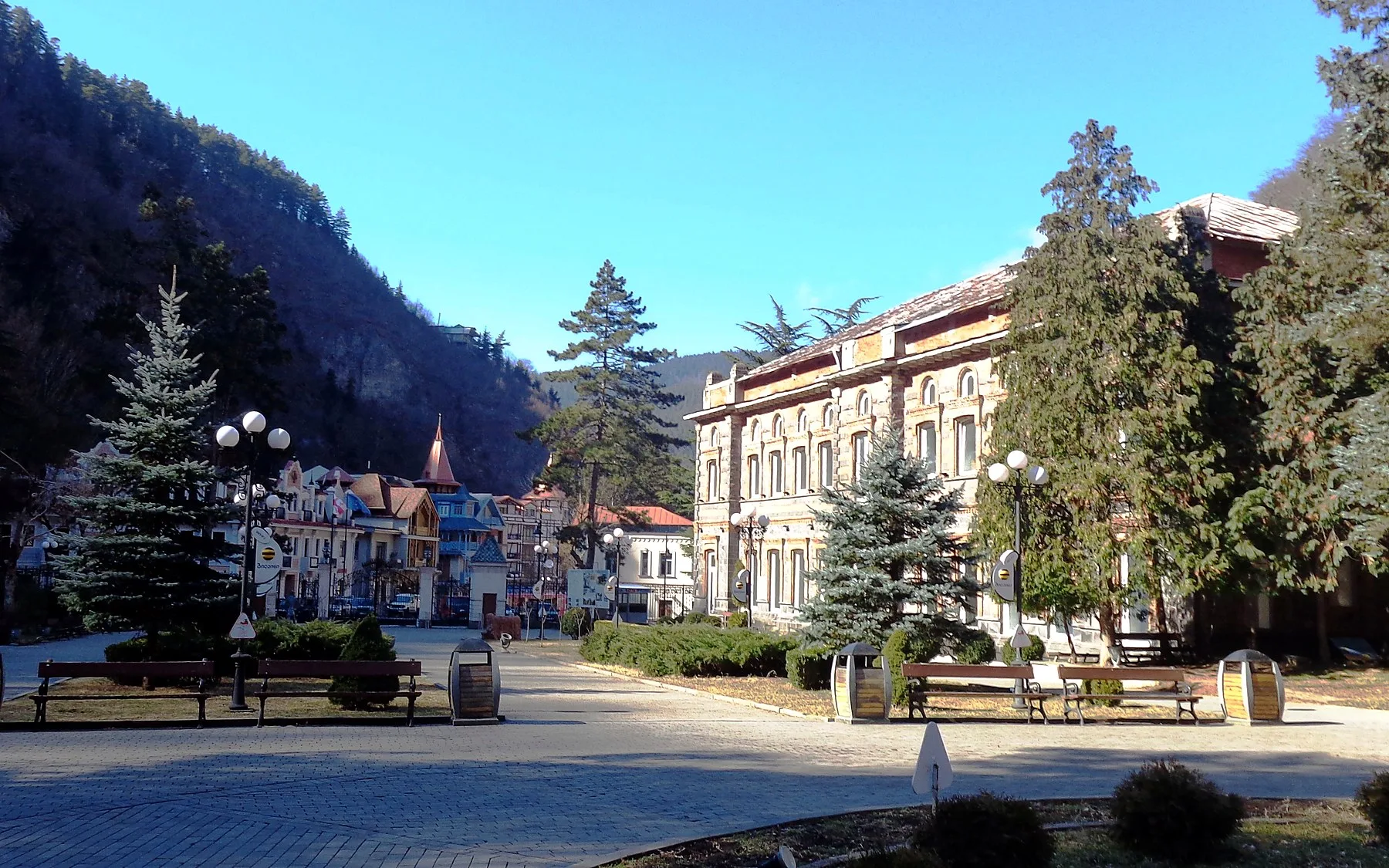
Borjomi
A mountain spa town loved by the Russian imperial elite — mineral springs, park promenades, and a shared leisure culture that still reads in both Georgian and Russian memory.
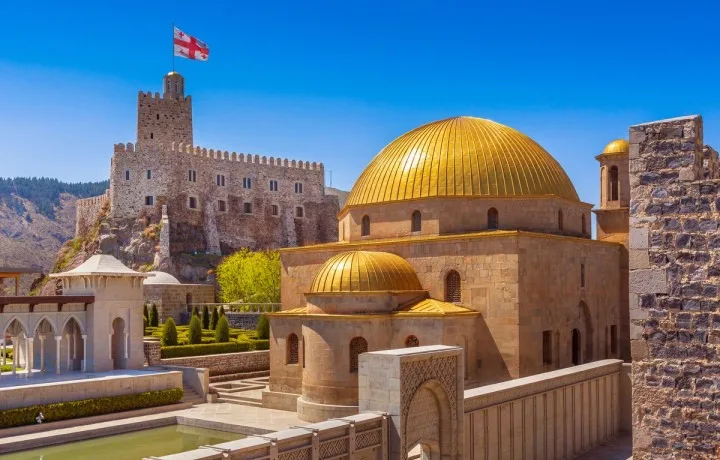
Rabati Fortress, Akhaltsikhe
A fortress of layered faiths and empires — Georgian, Ottoman, Armenian — a living map of the Caucasus, where Russian travelers long paused on the road inland from the Black Sea.
Tour day 3
Cave monasteries and the road to Kartli
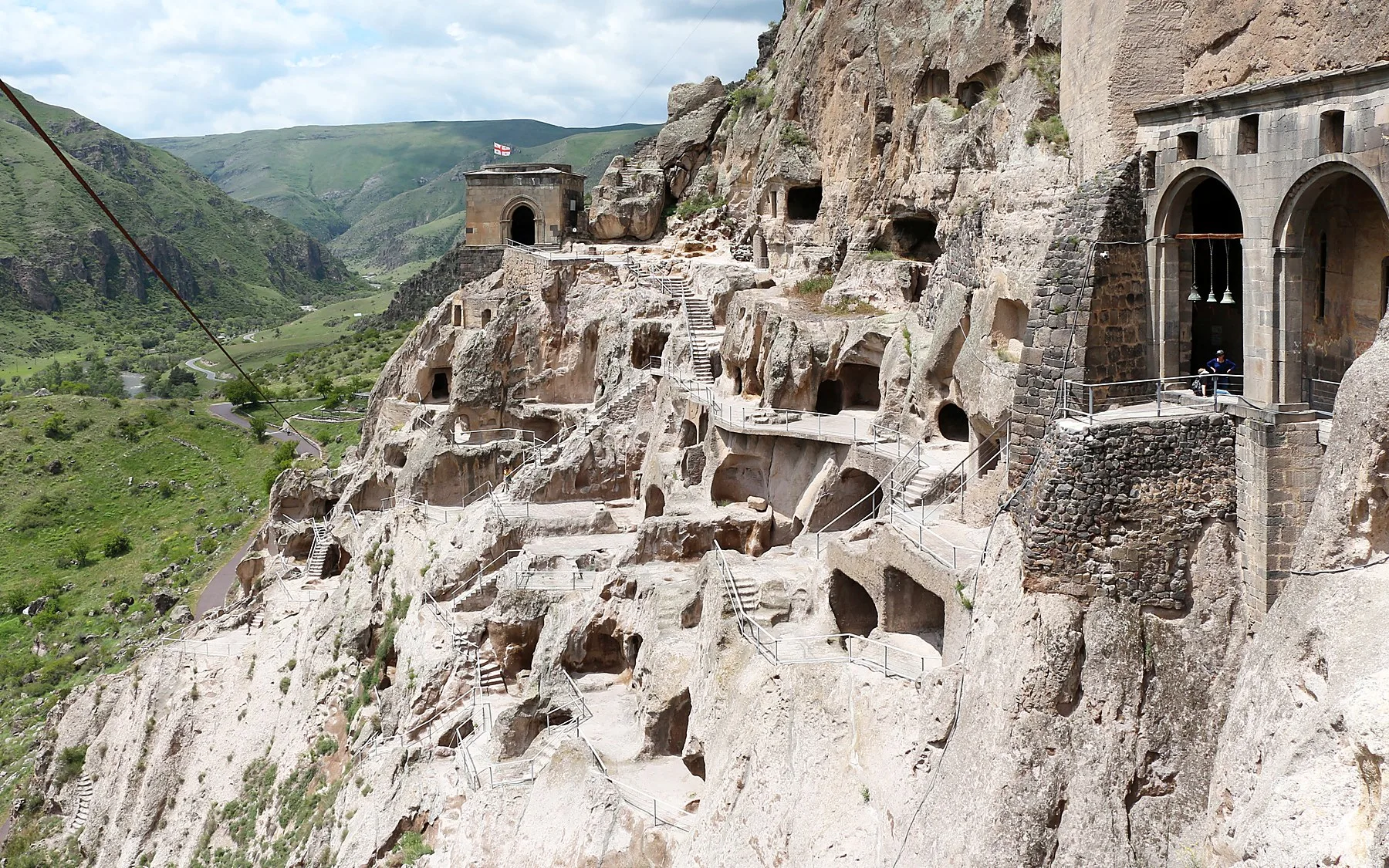
Vardzia
Queen Tamar’s rock-cut monastery city — medieval Georgia carved into a cliff. A place where epic, Orthodoxy, and landscape meet, and where Russian literature later found one of its favorite Caucasian images.
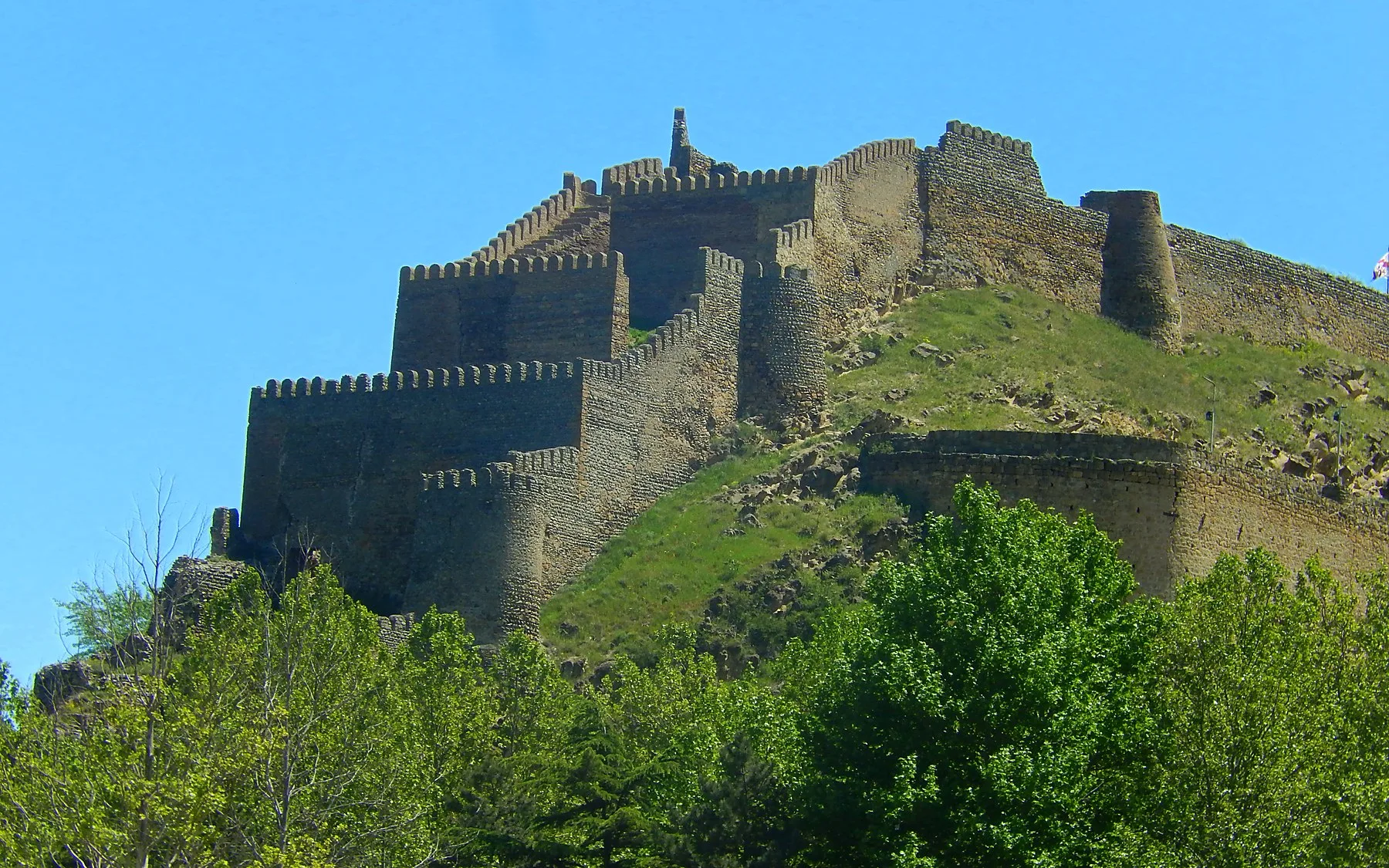
Gori Fortress
An ancient Kartli citadel above the town — centuries of Georgian statehood before the twentieth century rewrote the skyline of memory around this valley.
Tour day 4
Gori and Mtskheta
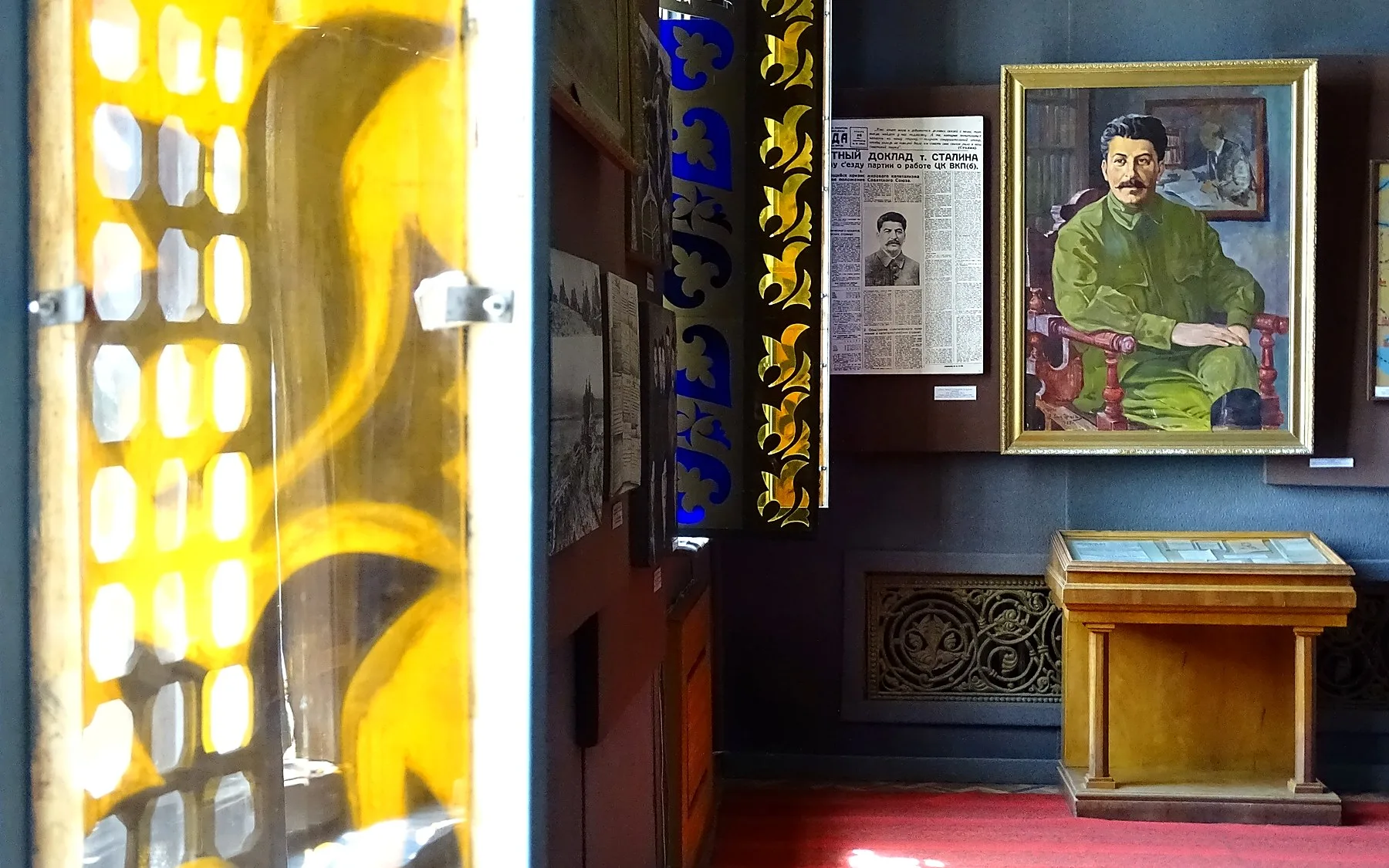
Museum of Joseph Stalin, Gori
A careful stop in a charged place of public memory — we approach it as historical context for how the twentieth century still echoes in family stories and language, not as celebration.
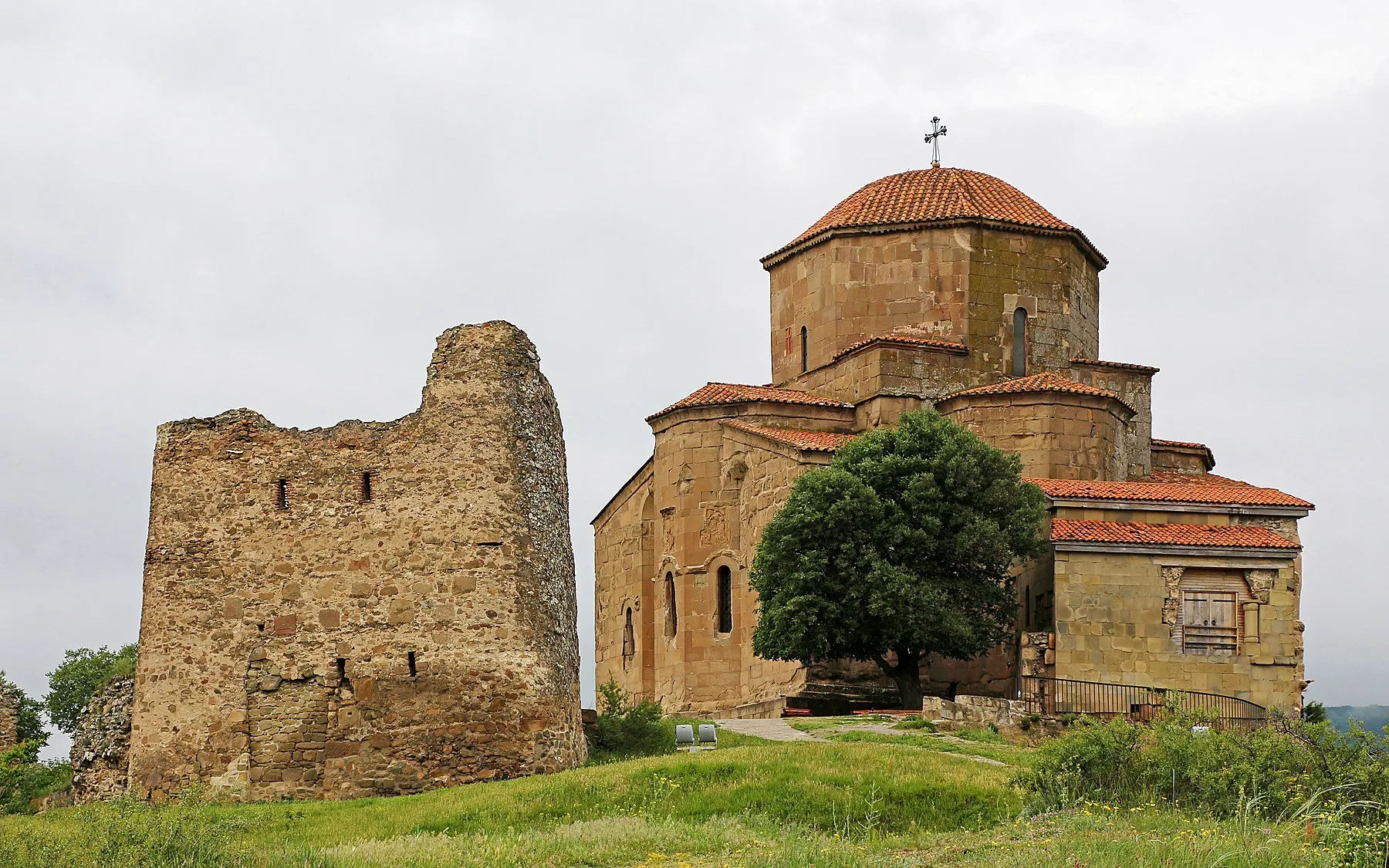
Jvari Monastery
Early Christian Georgia above the confluence of two rivers — the spiritual geography that Mtskheta holds for the Orthodox world, familiar to Russian pilgrims for generations.
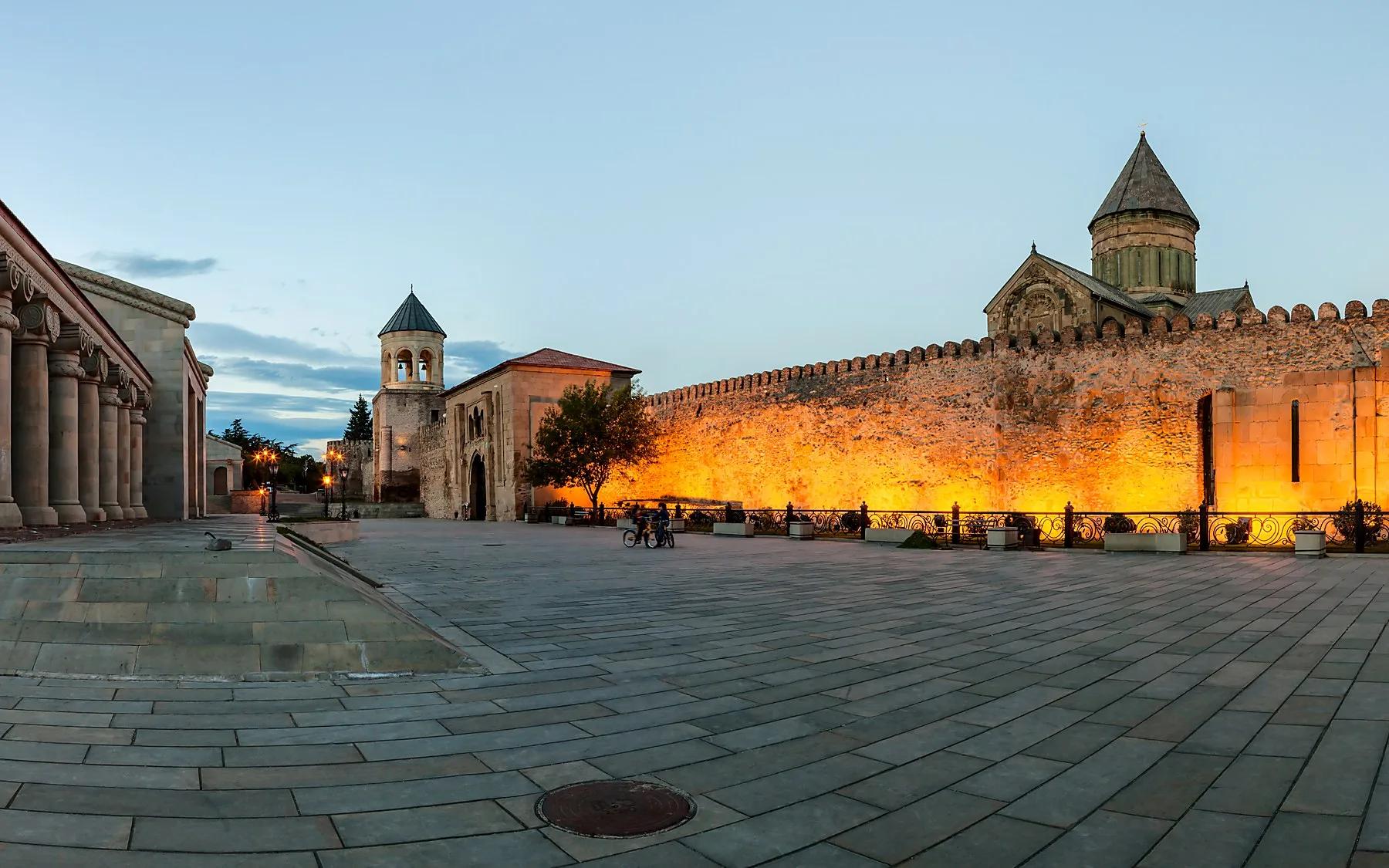
Svetitskhoveli Cathedral
The cathedral of Georgian kings and national myth — liturgy, stone, and language in one place; a key for understanding how Georgian Orthodoxy and Russian Orthodoxy converse.
Tour day 5
David Gareja and arrival in Tbilisi
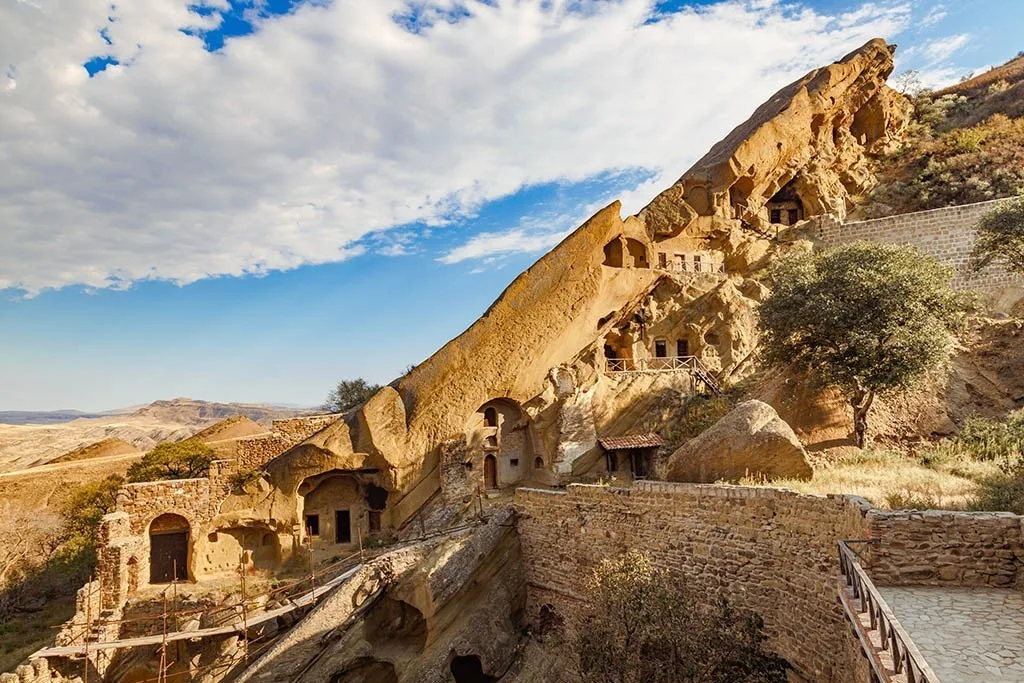
David Gareja
Desert monasteries on the cliff edge — Georgian monasticism at its most austere, a landscape of borderlands, frescoes, and silence that rewards slow looking and careful words.
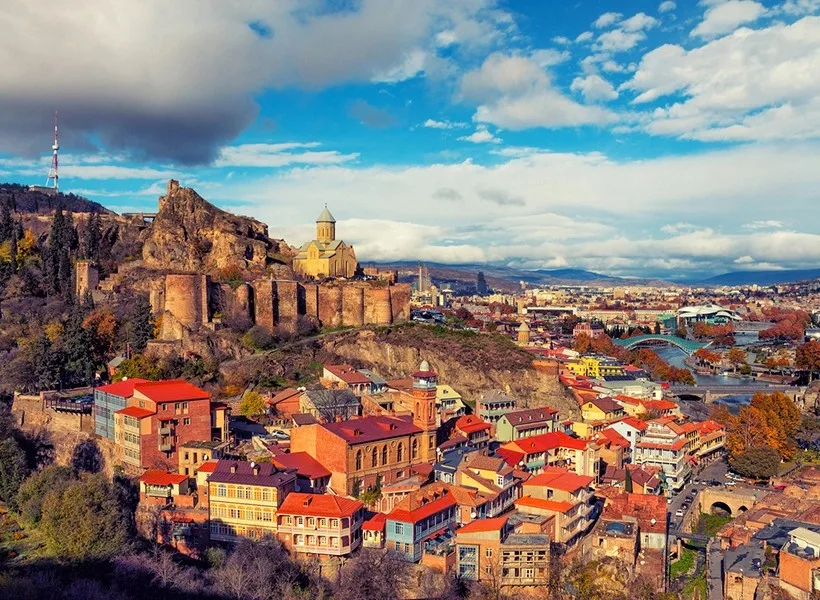
Tbilisi & the Chronicle of Georgia
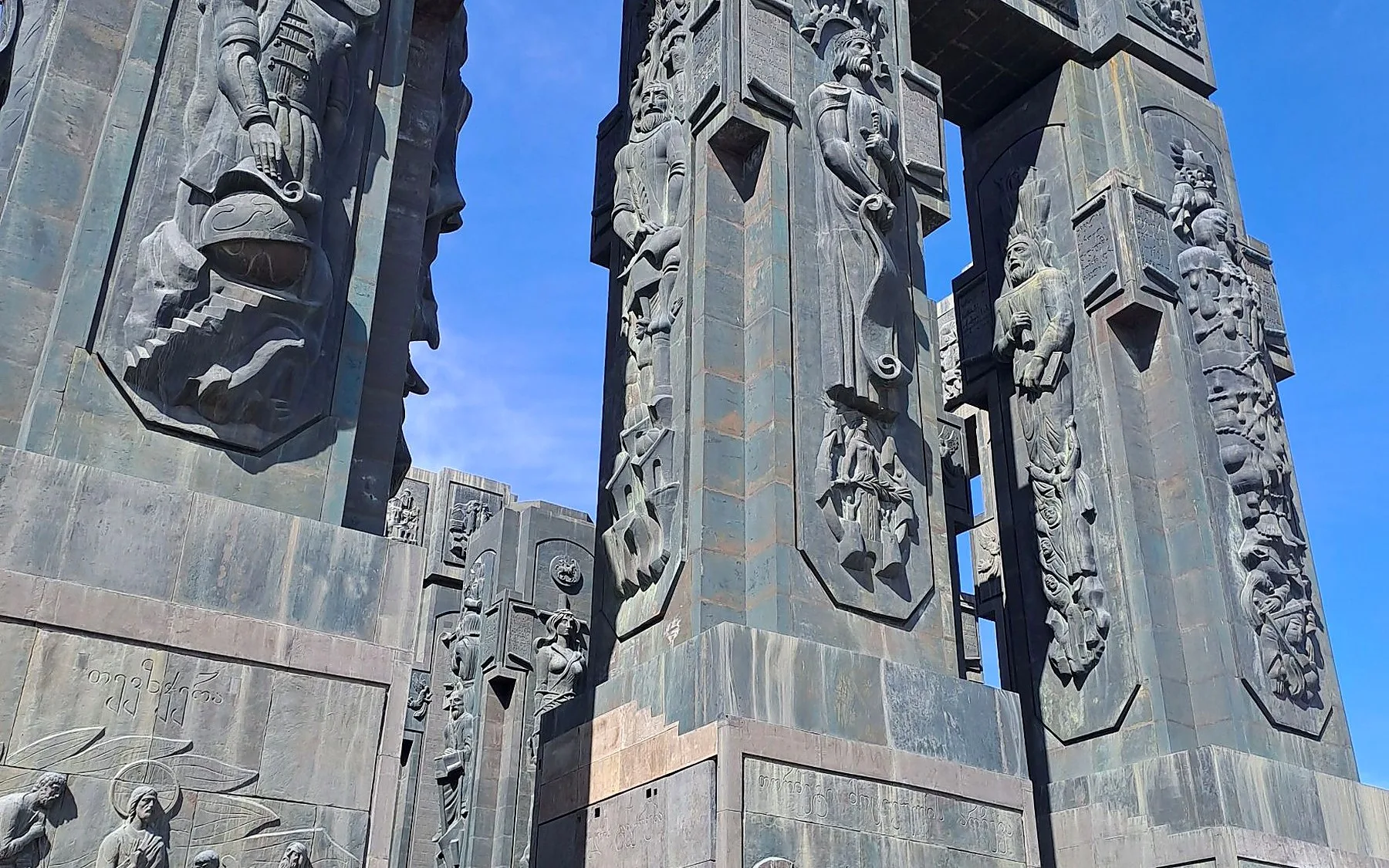
The capital as a long meeting point of Georgian and Russian culture — and the Chronicle of Georgia monument as a stone epic of the nation’s history — the final chord of the road days, followed by one more night in Tbilisi to rest before departure on 14 November.
$3,940
Full autumn track $3,940: the excursion week is included. A deposit by 17 October 2026 locks this first-launch price (−15%). The $60 registration fee is extra.
Discuss autumn 2026Summer Excursion Week#
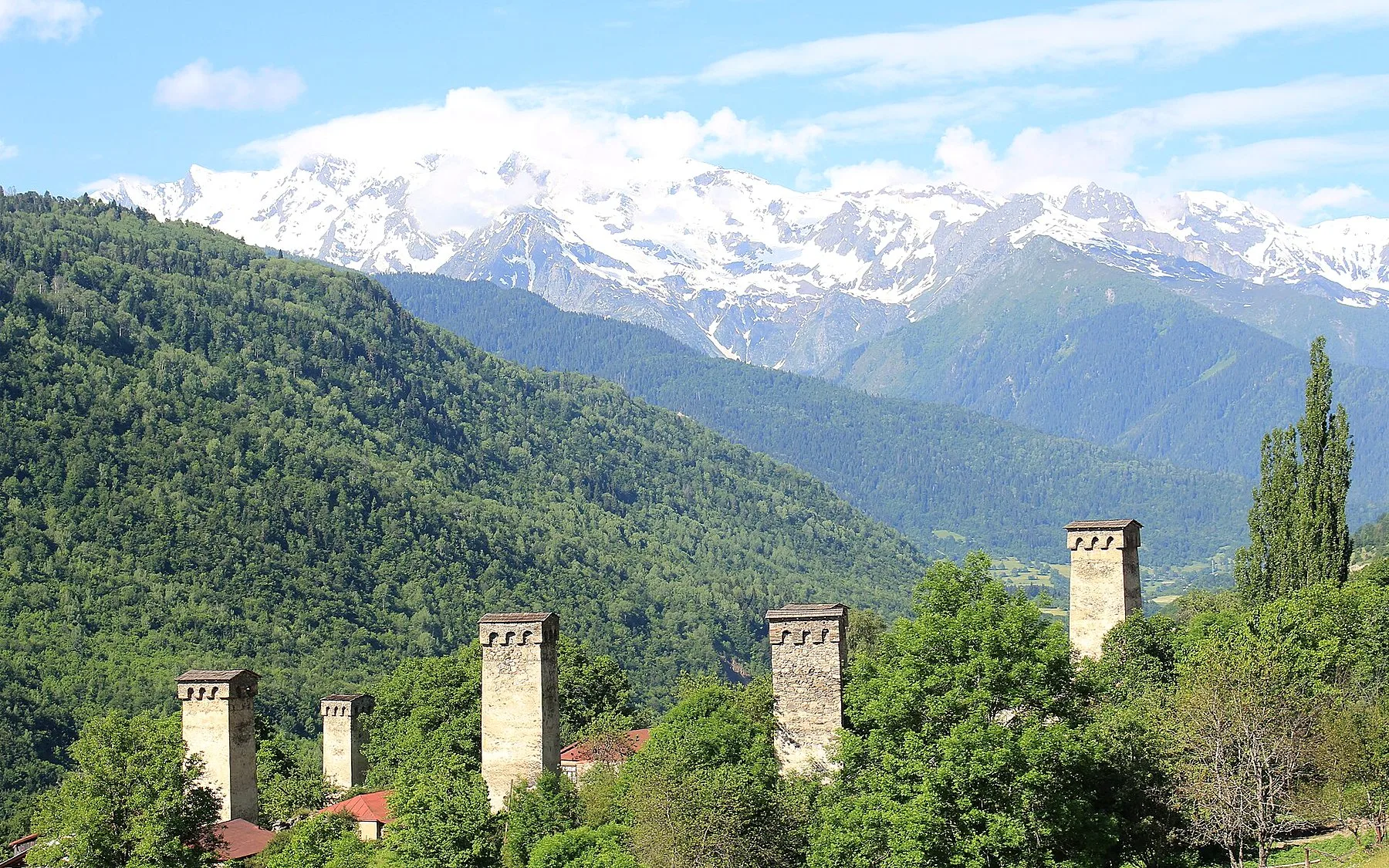
The onsite summer arc opens in Tbilisi (10–11 July), continues with a study week in Svaneti (12–19 July) and two Batumi weeks with a host family (19 July – 2 August). On 2 August the landmarks tour begins — each stop chosen for how it speaks to Georgian history and to the Russian cultural world that long met it here. After the final day on the road, one more night in Tbilisi to rest before departure. The program ends on 8 August.
Before the Batumi weeks and the country tour
Study week · Svaneti
12–19 July · Svaneti study week
Svaneti — a full study week among the towers
The same classroom load as a Batumi week (RFL + culture), plus hiking and getting to know the highland region. Lodging with breakfast and dinner included — then on to Batumi.
End of the onsite session — after Tbilisi, Svaneti, and two Batumi weeks — the landmarks tour across Georgia
Day 1
Imereti: Nokalakevi, canyons, caves, Kutaisi
Nokalakevi fortress (Archaeopolis)
Ancient Lazica’s stronghold on the Tekhuri — Byzantine walls and a Colchian citadel that once guarded the road inland from the Black Sea. A living lesson in how Georgia’s west held empire, language, and memory long before Batumi.
Martvili Canyon
Turquoise water between mossy limestone walls — Western Georgia’s nature as a first lesson in landscape vocabulary, and a place Russian travelers have long described as a “living painting.”
Prometheus Cave
Kumistavi’s underground halls of stalactites — geology as theatre, and a modern Georgian landmark that invites careful looking and shared words for light, stone, and myth.
Kutaisi & Gelati Monastery
The old capital of Imereti and UNESCO Gelati — King David the Builder’s academy and cathedral, where Georgian medieval learning and Orthodoxy meet a story familiar to the Russian cultural world.
Day 2
From Kutaisi toward Samtskhe-Javakheti
Borjomi
A mountain spa town loved by the Russian imperial elite — mineral springs, park promenades, and a shared leisure culture that still reads in both Georgian and Russian memory.
Rabati Fortress, Akhaltsikhe
A fortress of layered faiths and empires — Georgian, Ottoman, Armenian — a living map of the Caucasus, where Russian travelers long paused on the road inland from the Black Sea.
Day 3
Cave monasteries and the road to Kartli
Vardzia
Queen Tamar’s rock-cut monastery city — medieval Georgia carved into a cliff. A place where epic, Orthodoxy, and landscape meet, and where Russian literature later found one of its favorite Caucasian images.
Gori Fortress
An ancient Kartli citadel above the town — centuries of Georgian statehood before the twentieth century rewrote the skyline of memory around this valley.
Day 4
Gori, Mtskheta, and the Kakheti road
Museum of Joseph Stalin, Gori
A careful stop in a charged place of public memory — we approach it as historical context for how the twentieth century still echoes in family stories and language, not as celebration.
Jvari Monastery
Early Christian Georgia above the confluence of two rivers — the spiritual geography that Mtskheta holds for the Orthodox world, familiar to Russian pilgrims for generations.
Svetitskhoveli Cathedral
The cathedral of Georgian kings and national myth — liturgy, stone, and language in one place; a key for understanding how Georgian Orthodoxy and Russian Orthodoxy converse.
Day 5
Sighnaghi, Bodbe, and a Kakheti winery
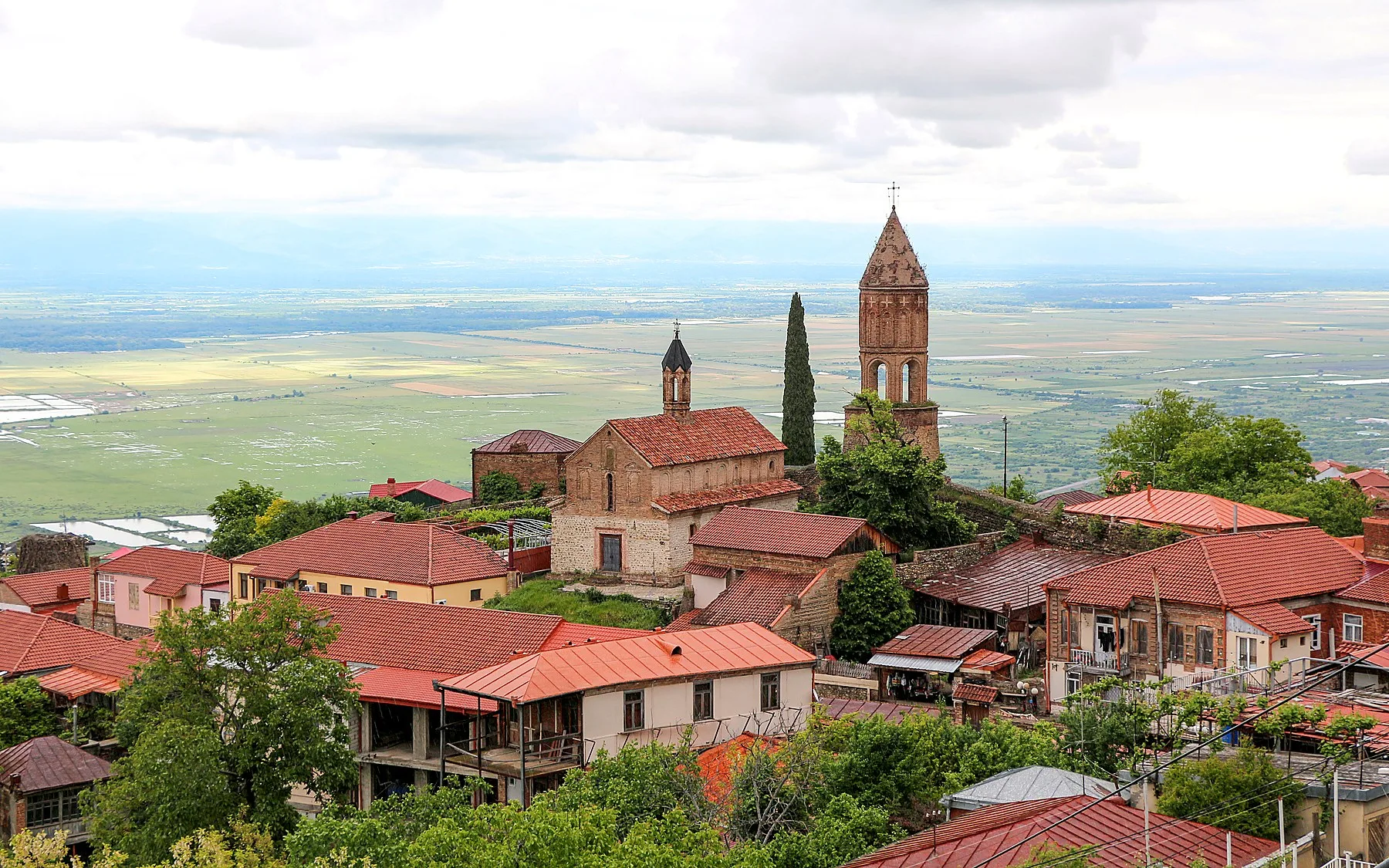
Sighnaghi
Kakheti’s hilltown of wine, walls, and Pirosmani — a painter whom the Russian avant-garde helped the world notice, and a landscape where Georgian hospitality becomes the lesson.
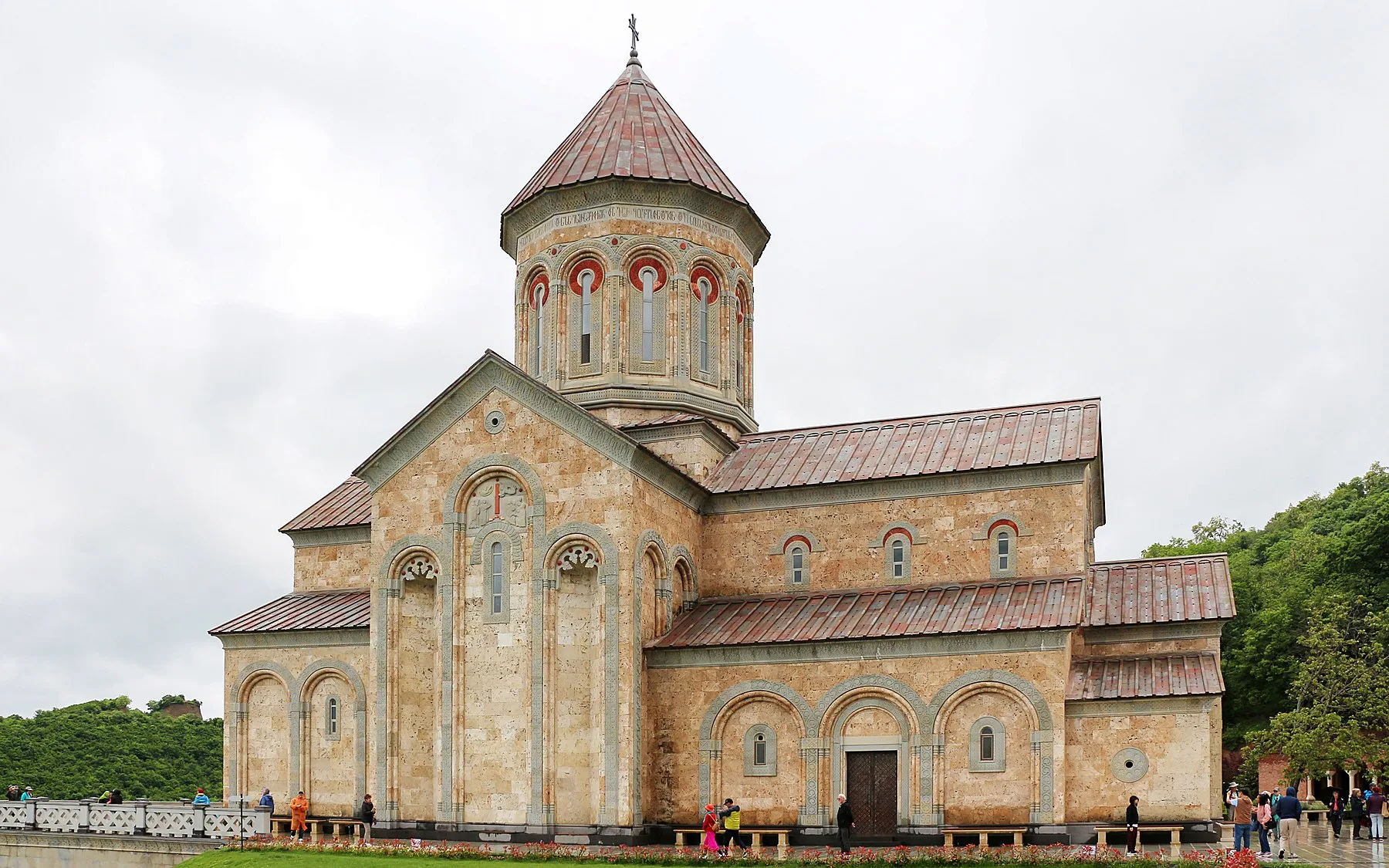
Bodbe Convent
The resting place of St. Nino, who brought Christianity to Georgia — a quiet convent that ties local sacred history to the wider Orthodox story students know from Russian culture.
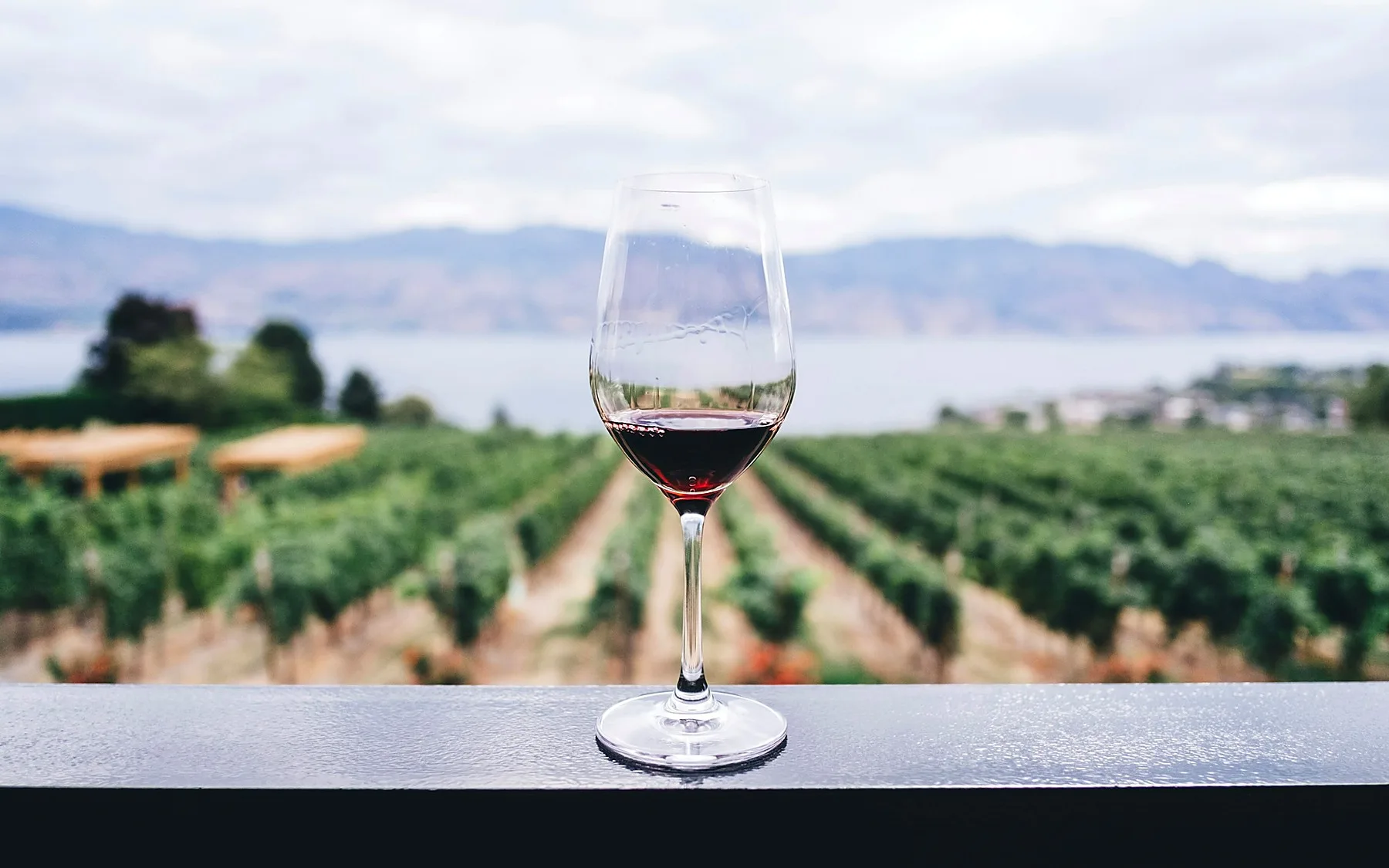
A Kakheti winery
Qvevri wine, the table, and the toast — living Georgian hospitality in the language of the feast, long familiar to Russian travelers as the heart of the Caucasian encounter.
Day 6
David Gareja and arrival in Tbilisi
David Gareja
Desert monasteries on the cliff edge — Georgian monasticism at its most austere, a landscape of borderlands, frescoes, and silence that rewards slow looking and careful words.
Tbilisi & the Chronicle of Georgia
The capital as a long meeting point of Georgian and Russian culture — and the Chronicle of Georgia monument as a stone epic of the nation’s history — the final chord of the road days, followed by one more night in Tbilisi to rest before departure on 8 August.